
History

Our History
The First Peoples of Louisiana
The Adai Caddo are amongst the first tribes met and documented by European explorers in the present-day United States. The explorer and Spanish conquistador, Álvar Núñez Cabeza de Vaca met the Adai Caddo in 1530.
- First Louisiana tribe encountered and documented by European explorers
- Host and eponym of the first and second Catholic missions in Louisiana (San Miguel de Linares de los Adaes and San Miguel de Cuellar de los Adaes)
- Host and eponym of the first capital of Texas for 50 years (Los Adaes)
- Host of the Nuestra Señora de los Dolores mission built in East Texas in 1717
- Portions of the El Camino Real are the Indian trails connecting the Adai Caddo villages, which passed through Los Adaes
- The Spanish and French documented Adai Caddo village locations from the Red River in Louisiana to the Trinity River in Texas
- Helped establish and defend the oldest towns in Louisiana and Texas (Natchitoches and Nacogdoches)
- Fought alongside the Spanish and the French under St. Denis against the Natchez Indians at the Siege of Natchitoches and the Battle of Sang Pour Sang
- Rescued and nursed back to health the famous explorer Jean-Baptiste Bénard, Sieur de la Harpe (founder of the first European settlement in North Texas)
- Oldest and longest serving ally of the Louisiana colony
- Recognized and documented as an Indian Nation for over 300 years
- The only Indian Nation listed on French, Spanish, Portuguese, and British treaty maps in the region today known as Sabine, DeSoto, Vernon, Beauregard, and Natchitoches Parishes
- 1 of 4 remaining Indian Nations in Louisiana who were formally recognized as an ally of Spain in the 1770s. Adai Caddo Chief Quemsy was a "medal chief" wearing the Al Merito Medal from King Carlos III of Spain.
- Fought in the successful Galvez Expedition of the American Revolution which led to the creation of the United States
- The tribe has an astonishing military record. Of its current members, 25% of the men have previously or are currently serving in the military. That national average is 6%.
- One of the few tribes in the U.S. who never sold or left their lands. The Adai Caddo still live, own, and work their ancestral lands.
- Adayes is mentioned in Evangeline: A Tale of Acadie, the famous epic poem by Henry Wadsworth Longfellow. Evangeline Parish, the town of Evangeline, Louisiana's first state park, and Evangeline Hall at LSU are named for its heroine.
- State-recognized as one of Louisiana's Indigenous and sovereign tribes
Coming soon...Timeline
Historical Names of the Adai Caddo
Spanish, French, and Anglicized
Like other Native American tribes, the Adai Caddo did not have a written language. Much of what is known of their history from the 16th through 20th century was documented by Europeans, colonials, and later, Americans.
The variations are largely due to the various languages of Spanish, French, and English, as well as the dialects spoken by explorers, traders, historians, ethnologists, linguists, and government officials over the past 500 years.
Historical records refer to the Adai Caddo by many names, including:
- Adae(s)
- Adage
- Adahi
- Adai(s)
- Adai Caddo
- Adaias
- Adaic(s)
- Adaice(s)
- Adaie(s)
- Adaihe
- Adair
- Adaise
- Adaisses
- Adaizan
- Adaize
- Adaizi
- Aday(s)
- Adayas
- Adaye(s)
- Addaise
- Addaize(s)
- Addee(s)
- Addies
- Adees
- Adeyches
- Adiais
- Adios
- Adois
- Adose(s)
- Adye(s)
- Aidayes
- Andaye(s)
- Atai(s)
- Ataho
- Atahoe
- Atay
- Atayo(s)
- Atoyo(s)
- Azadyze
- Cataye(s)
- Caddo Adai(s)
- Caddoan Adai
- Hadai(i)
- Hadaies
- Hatai
- Nadaho
- Nadai
- Nadas
- Natao(s)
- Tullan
- Tultecas
- Yatay
A Spiritual People
In the beginning....
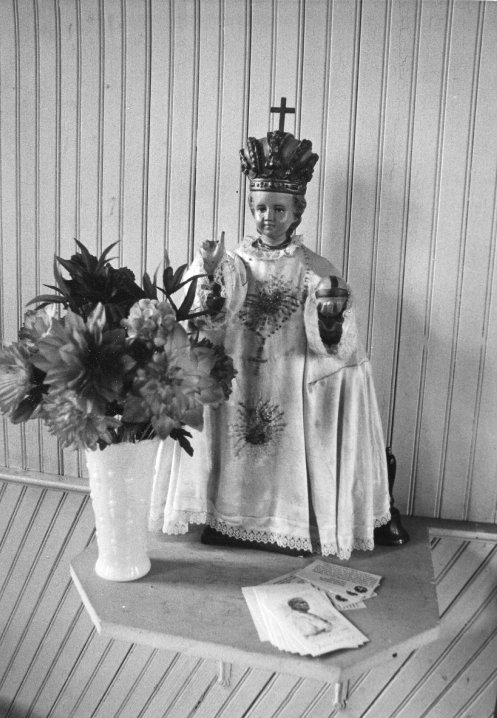
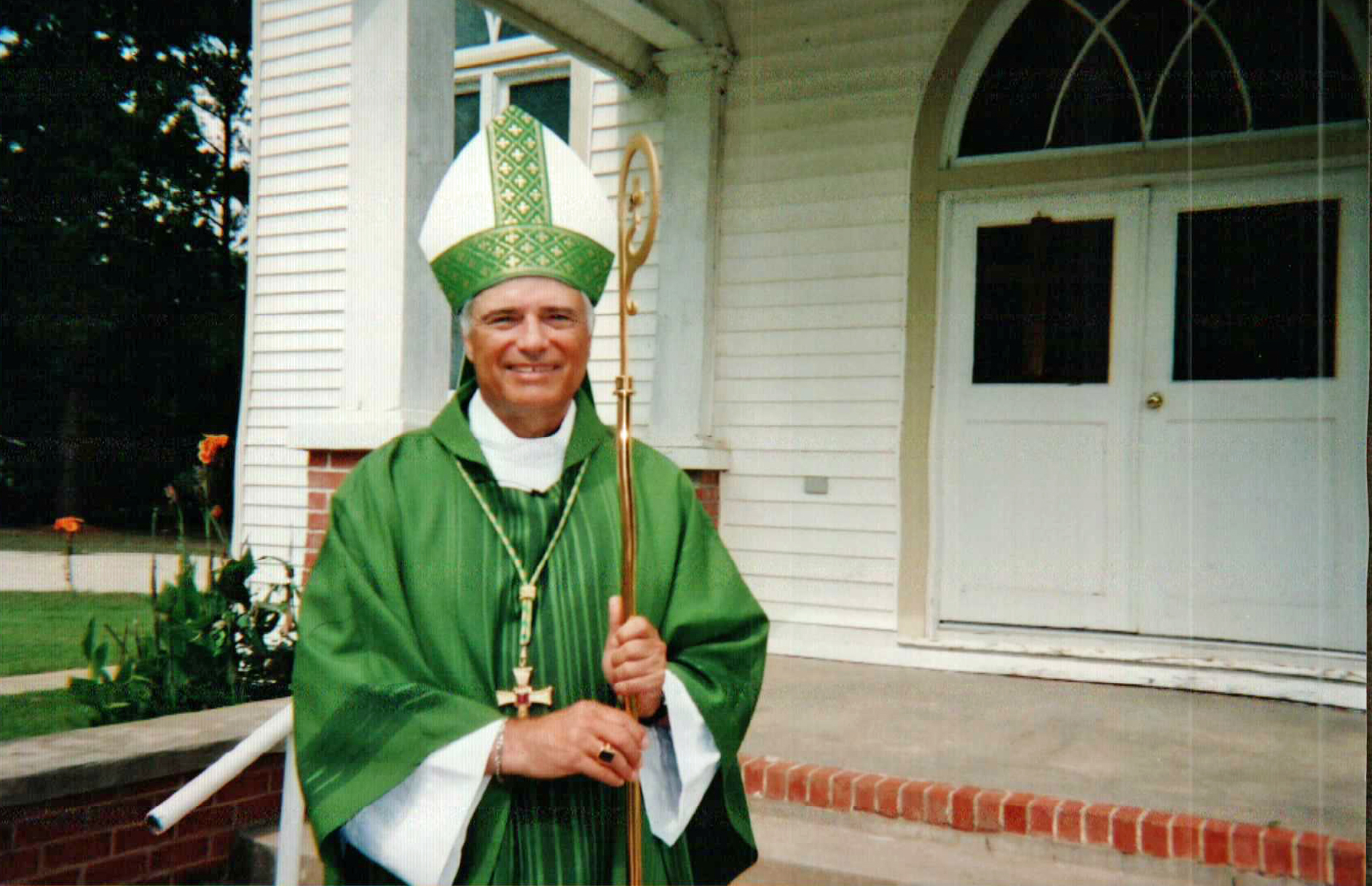
The Adai Caddo are a spiritual people. The Adai Caddo requested the first missions in the state to be established on their lands. They helped build, maintain, and defend the missions. Over the centuries, The Adai Caddo helped establish other mission churches forever becoming part of the old Natchitoches Diocese, Alexandria Diocese, Shreveport Diocese, Tyler Diocese, and the enduring presence of Christian faith in the region.
In 1690, Alonso de León established the first Catholic mission in present-day Texas, San Francisco de los Tejas near the Trinity River and present-day Augusta, Texas. Franciscan records show the Adai Caddo frequented the mission until its closure in 1693. This is the origin of the Tyler Diocese.
In 1716, at the request of the Adai Caddo, Fray Antonio Margil de Jesús built the first Catholic mission in present-day Louisiana. He named the mission for the Indians it would serve, San Miguel de Linares de los Adaes [Saint Michael of Linares (Duke and Viceroy of New Spain) of the Adai]. The mission was approximately 13 miles east of Natchitoches. Five years later, the second Catholic mission in Louisiana was built nearby. Once again, the mission would bear the name of the Adai Caddo, San Miguel de Cuéllar de Linares de los Adaes [Saint Michael of Cuellar (Duke and Viceroy of New Spain) of the Adai]. The Adai Caddo baptisms and marriages are among the first entries in the oldest Catholic registries in the state.
In 1721, Aguayo found the site of the abandoned Mission Nuestra Señora de los Dolores in East Texas near the Attoyac and Angelina Rivers. Father Margil determined that a site nearby would be better suited, so the Spanish rebuilt the mission Nuestra Señora de los Dolores de los Adays [Our Lady of Sorrows of the Adais] in 1721.By the 1820s, the Adai Caddo had built Catholic missions and chapels in the disputed territory known as No Man’s Land between American Louisiana and Spanish Texas. Traveling priests would be surprised to find these chapels and their devout Adai Caddo parishioners. Today, this region includes portions of Sabine, Vernon, and Natchitoches Parishes.
In 1856, the mission of St. Augustine at Isle Brevelle was decreed by Bishop Auguste Martin to be a parish in its own right. St. Augustine Church (also known as Isle Brevelle Church) is located on an island and named for its founder, Jean Baptiste Brevelle II . The parish church expanded to serve four other missions in the area: St. Charles at Bermuda, St. Joseph’s at Bayou Derbonne, St. Anne’s on Old River, and St. Anne’s at Spanish Lake (La Laguna de los Adaes).
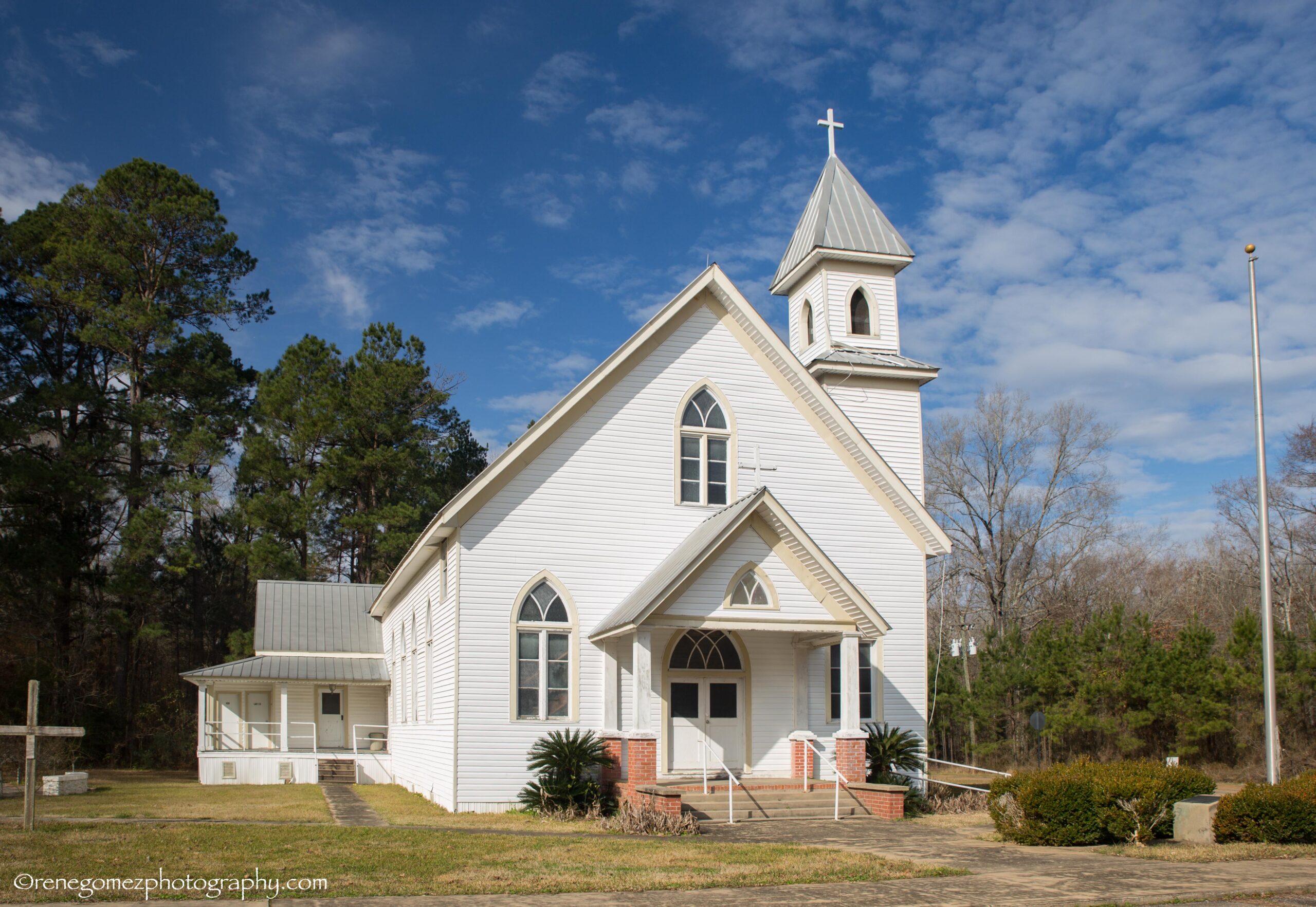
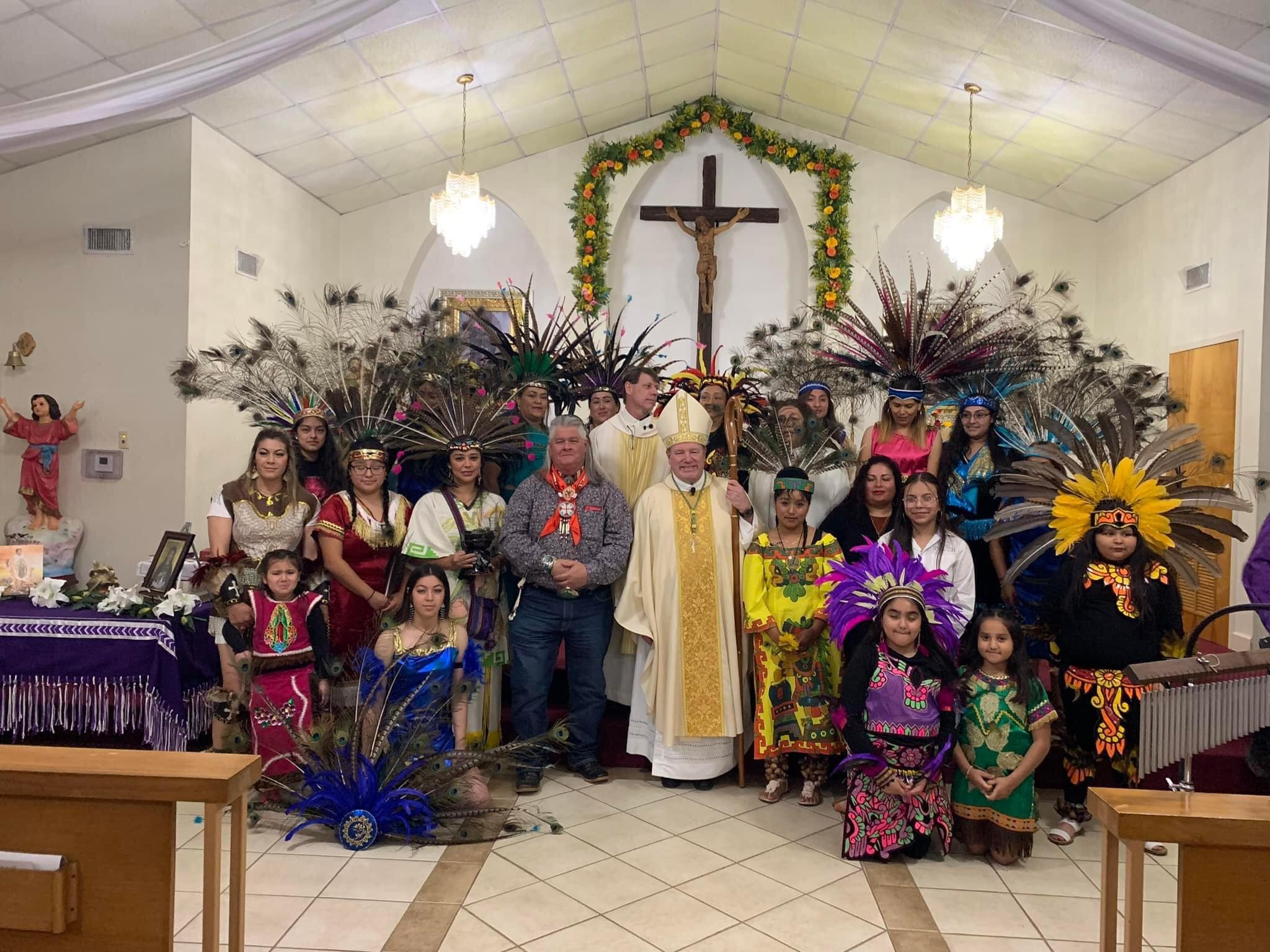
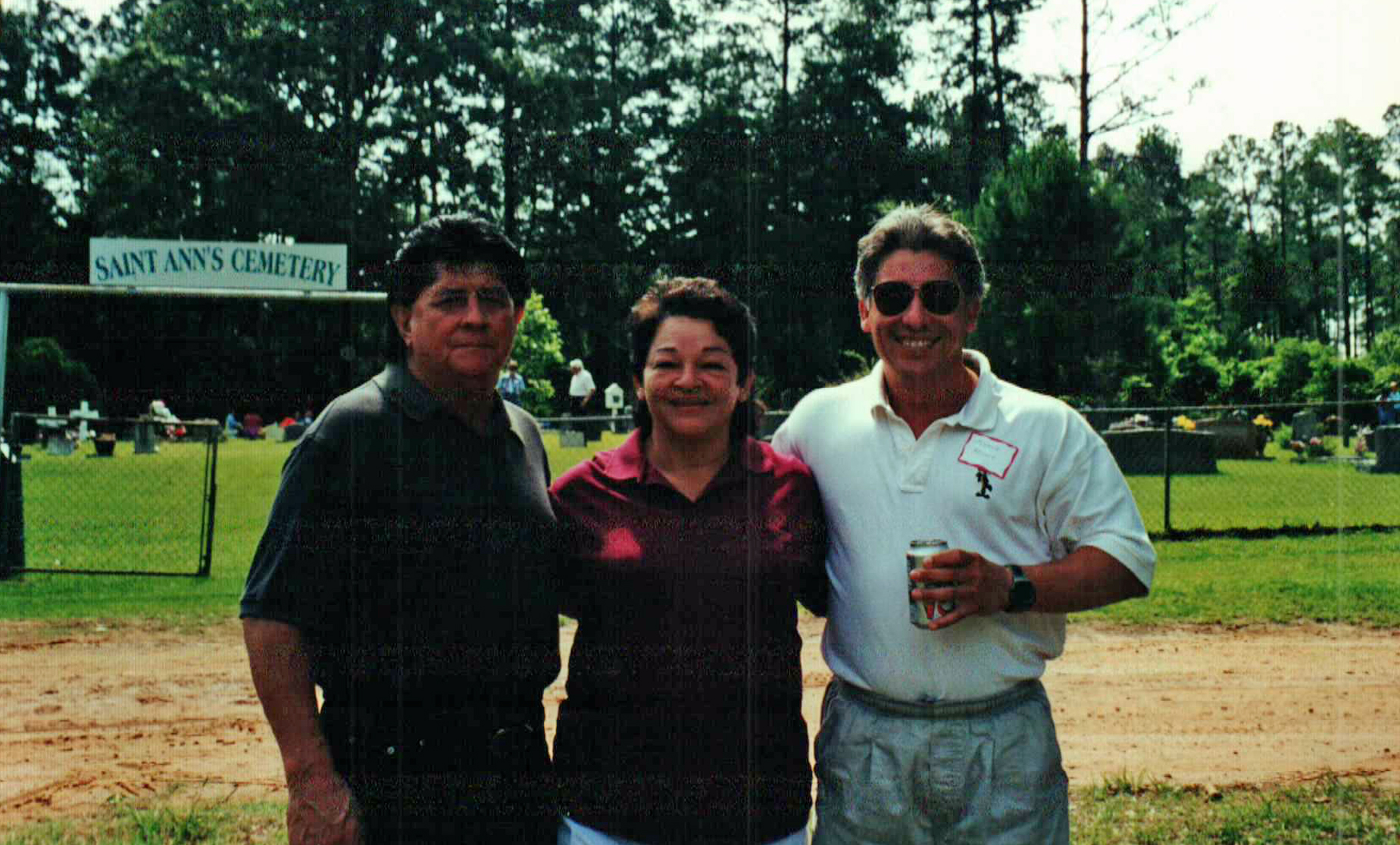
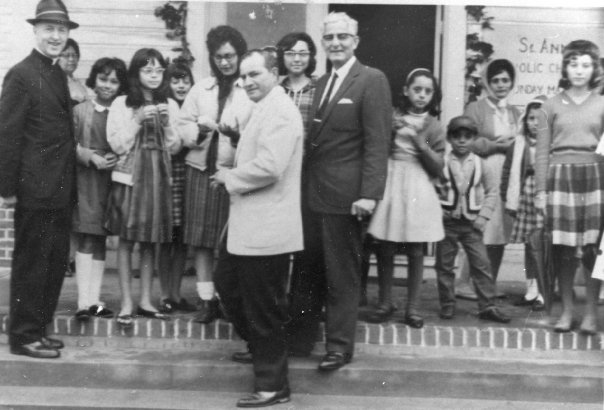
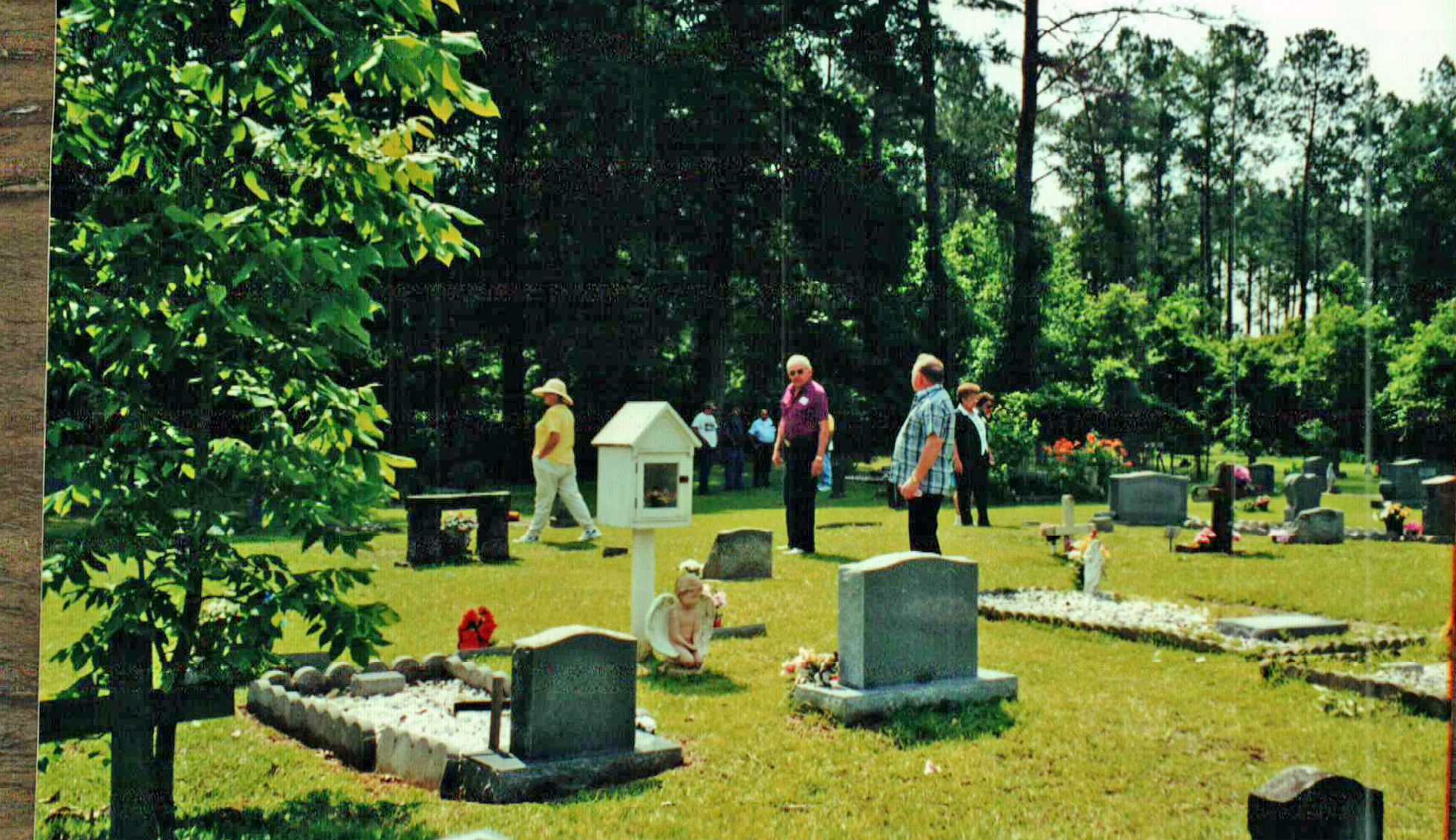
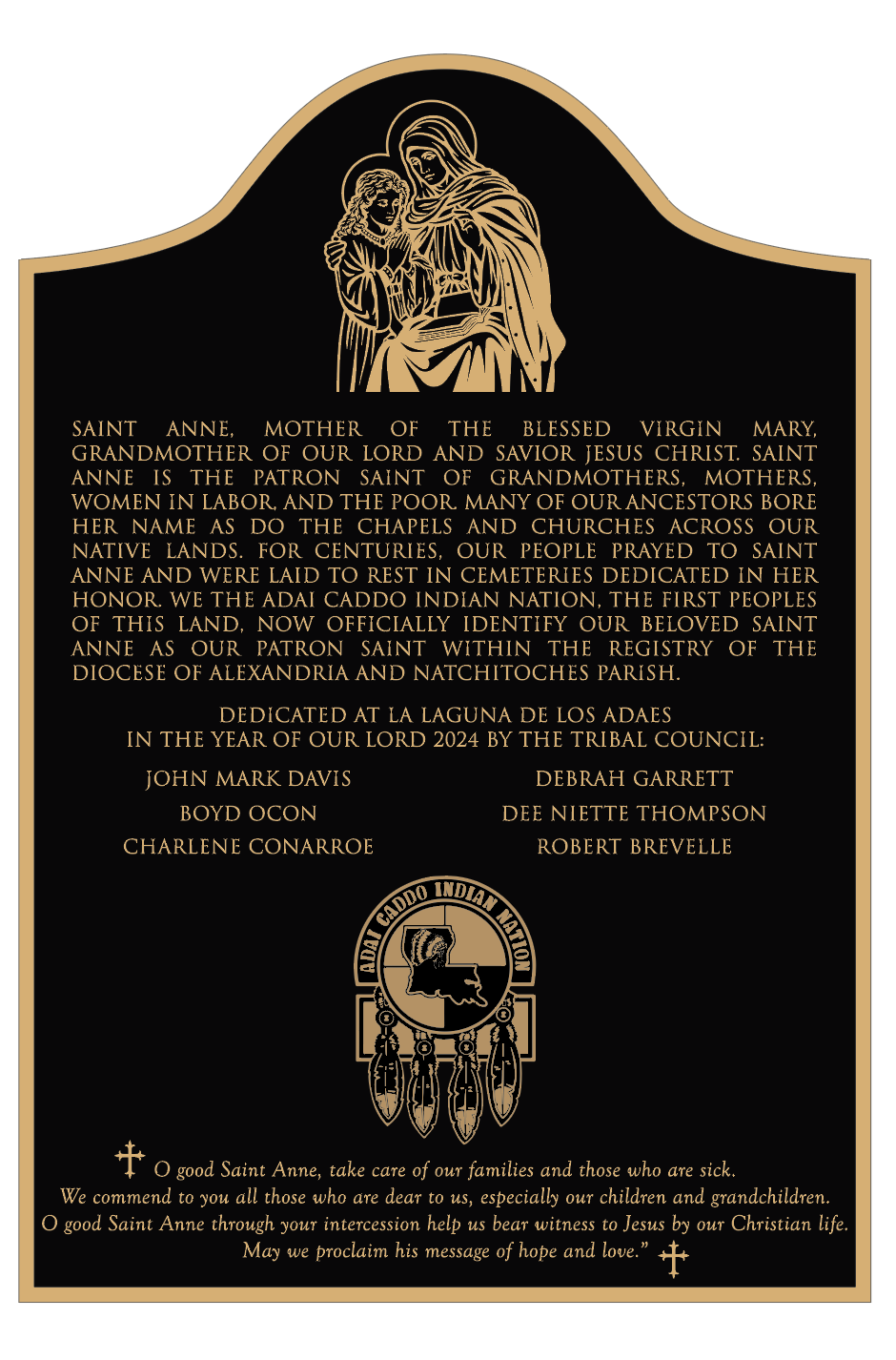
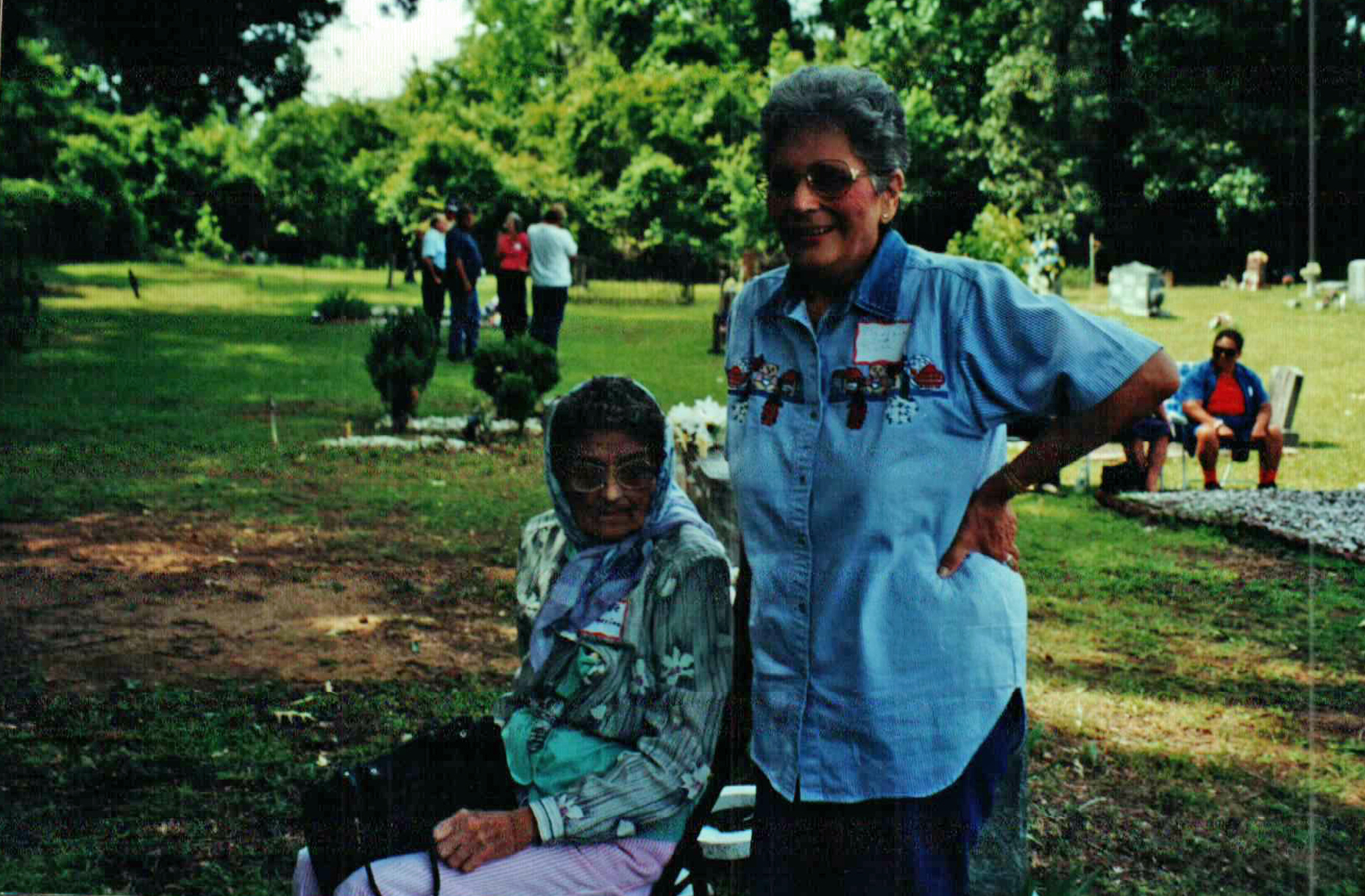
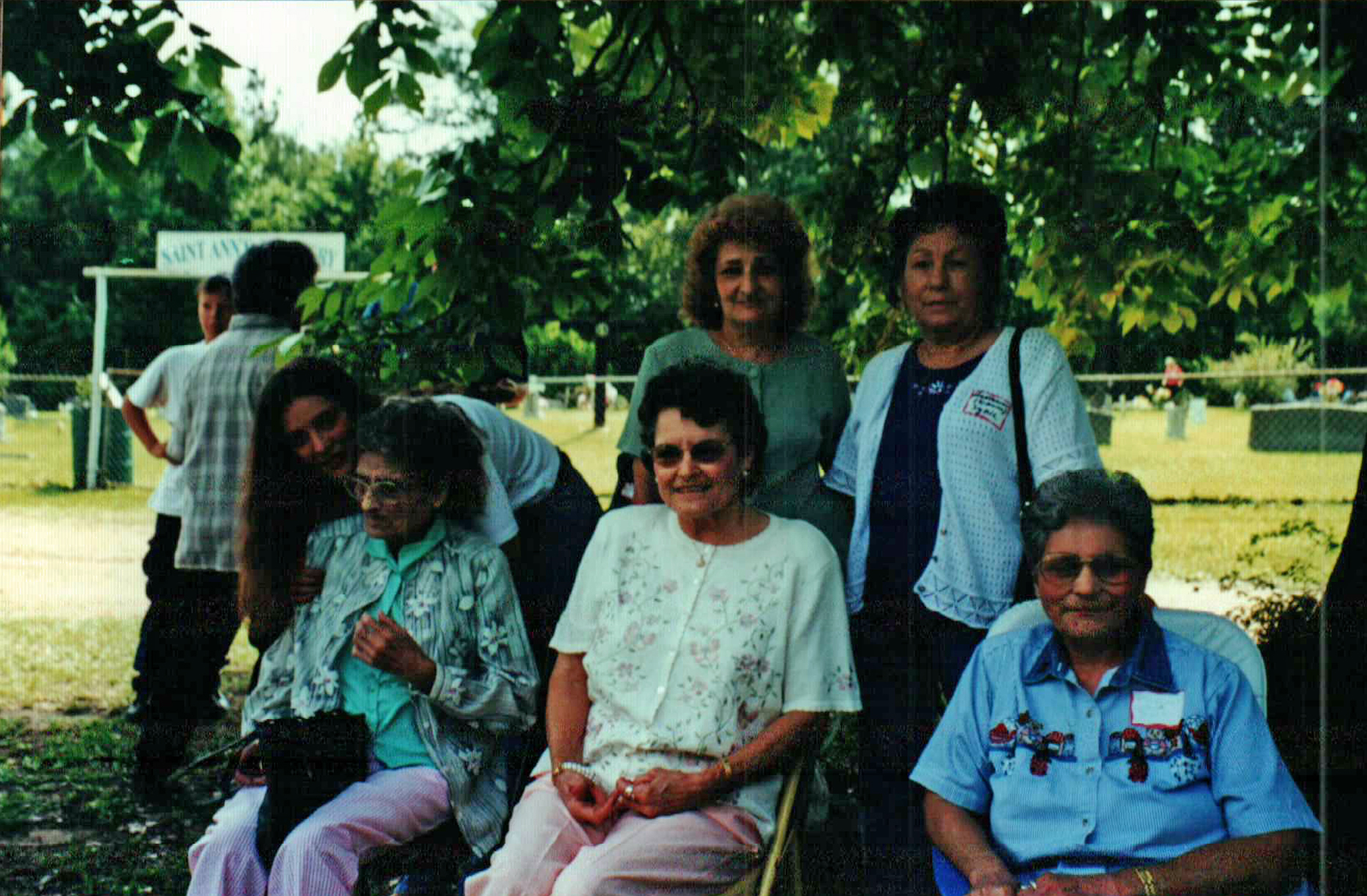
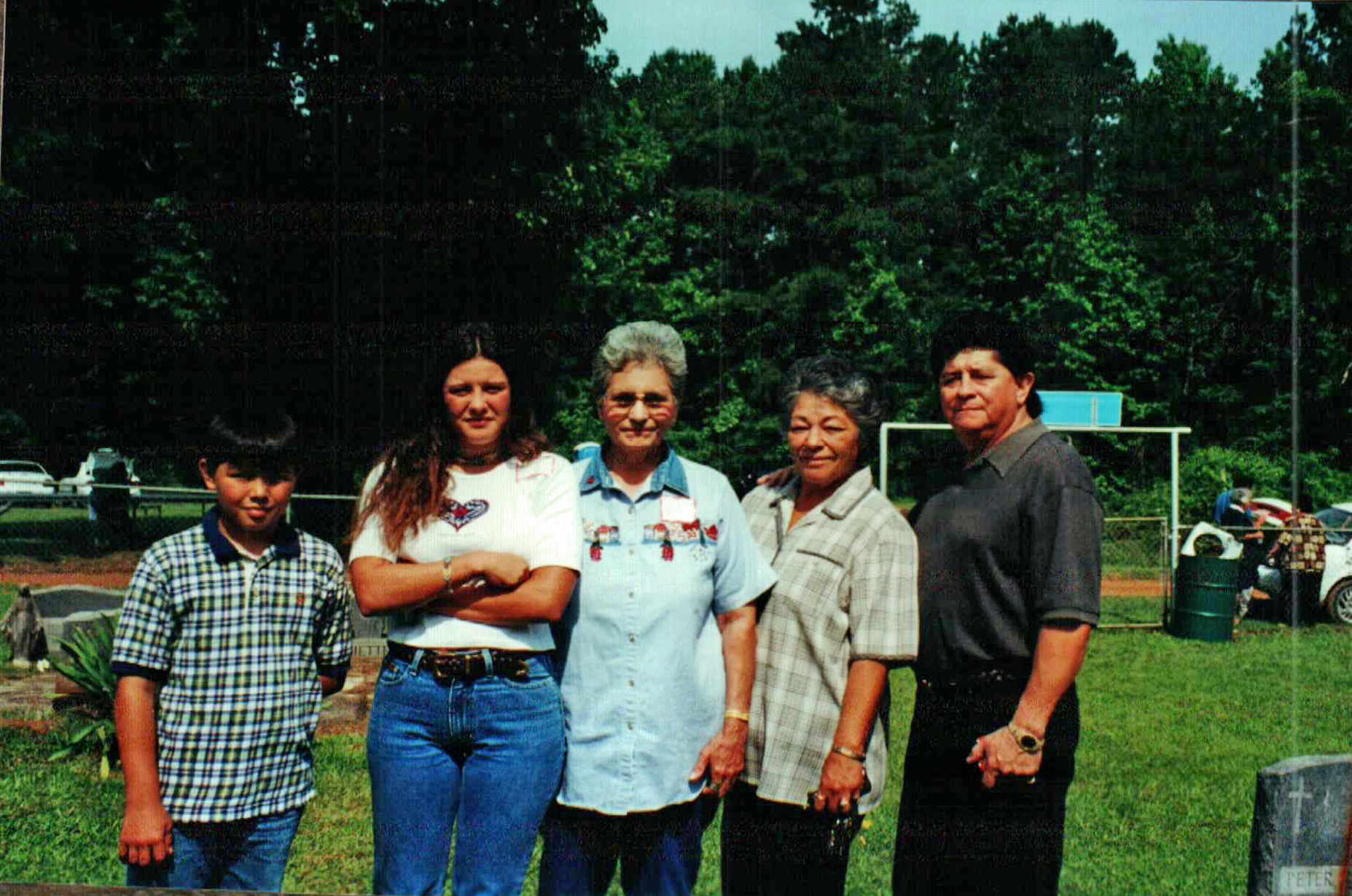
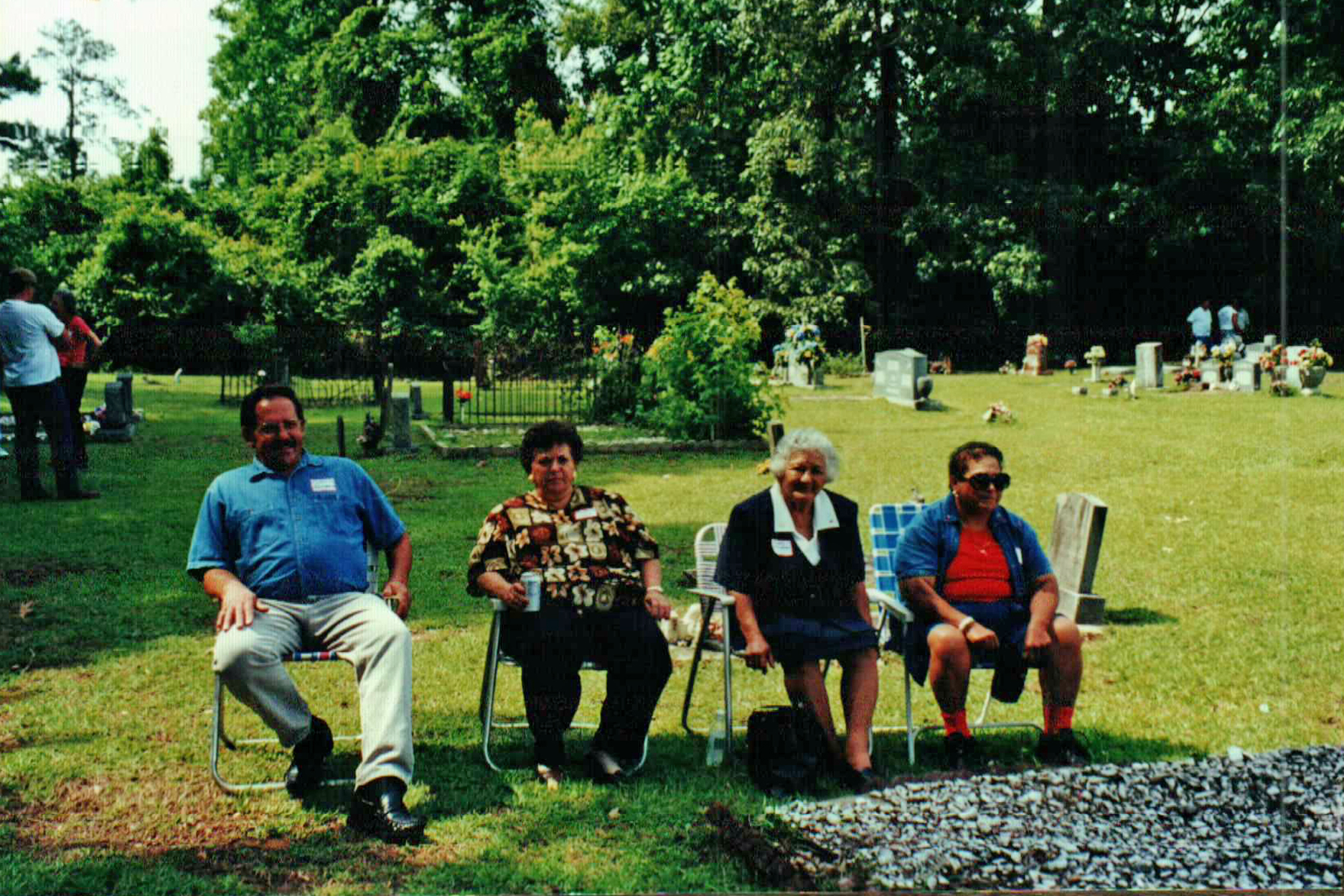
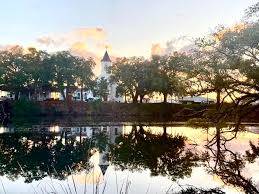
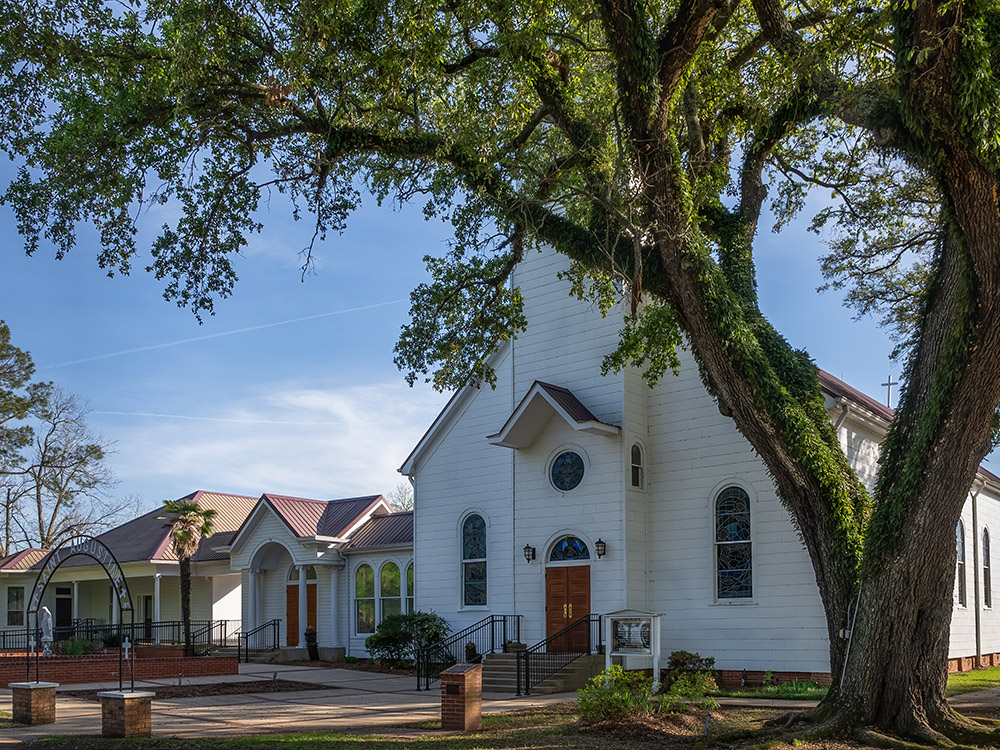
Today, the Adai Caddo still attend St. Anne’s and many are buried on the church grounds and at nearby St. Anne Cemetery, both of which are located near the Adai Caddo Cultural Center. In 2024, in recognition of generations of Adai Caddo being baptised, married, and buried at churches bearing her name, the tribe officially designated Saint Anne as it’s patron saint within the registry of the Alexandria Diocese.
Saint Kateri Circle
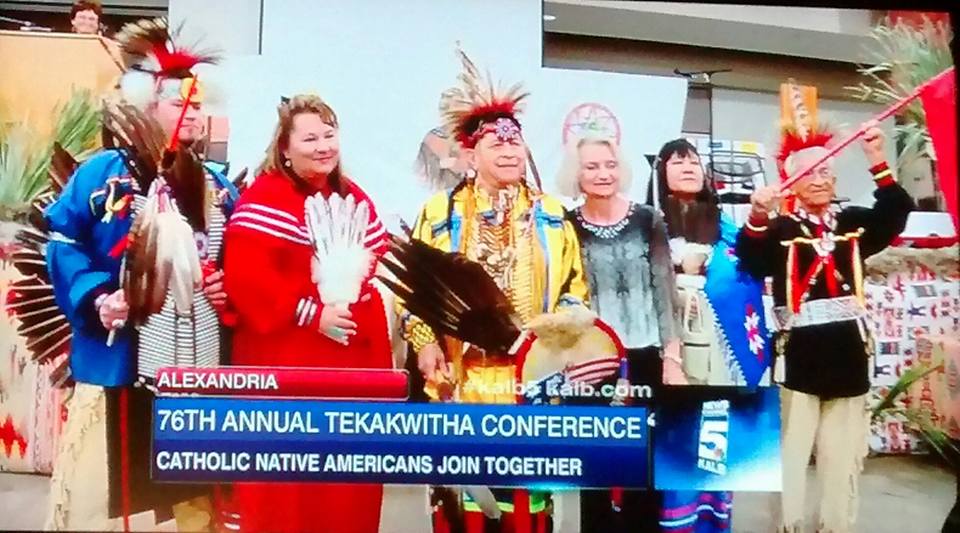
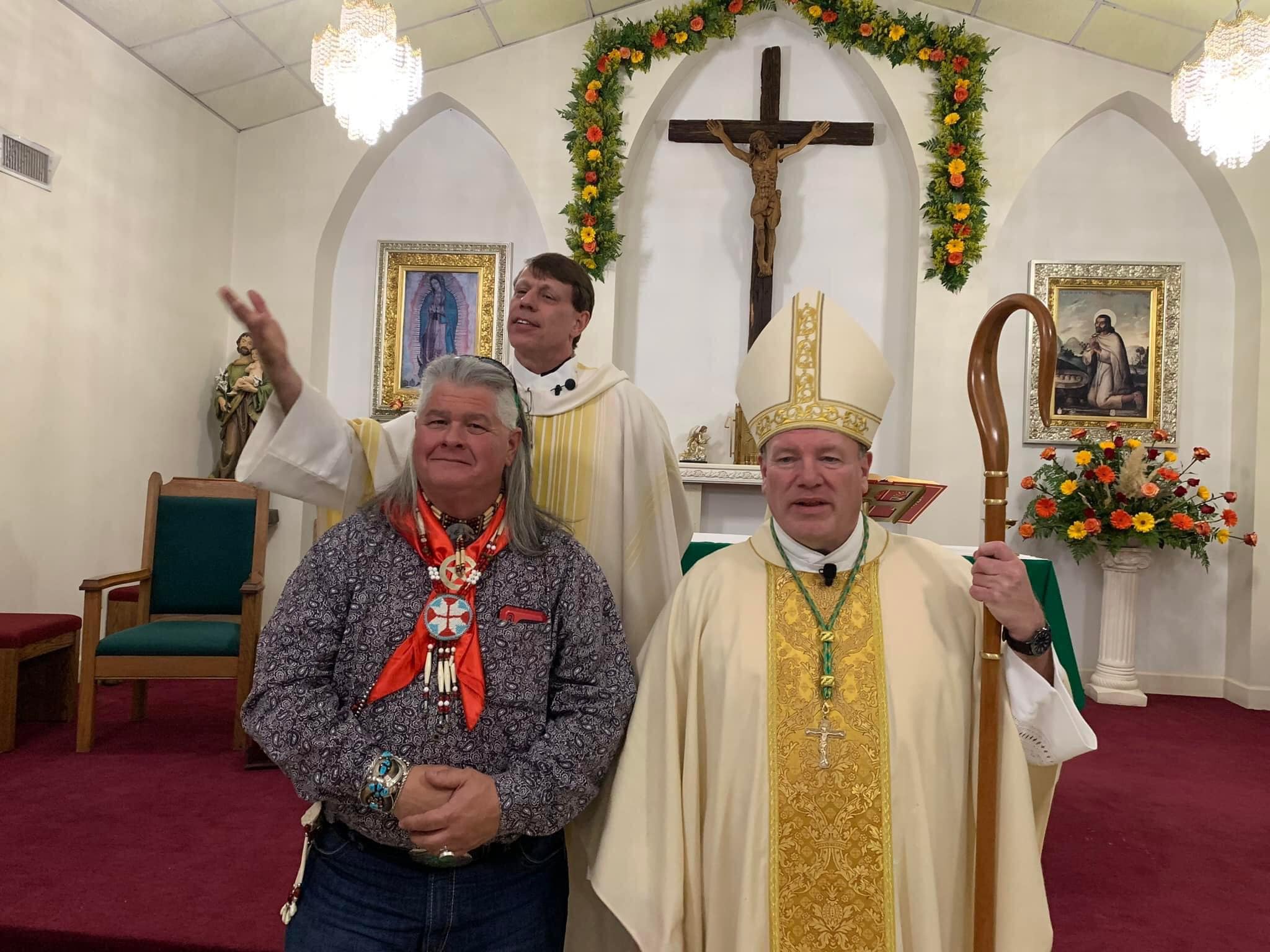
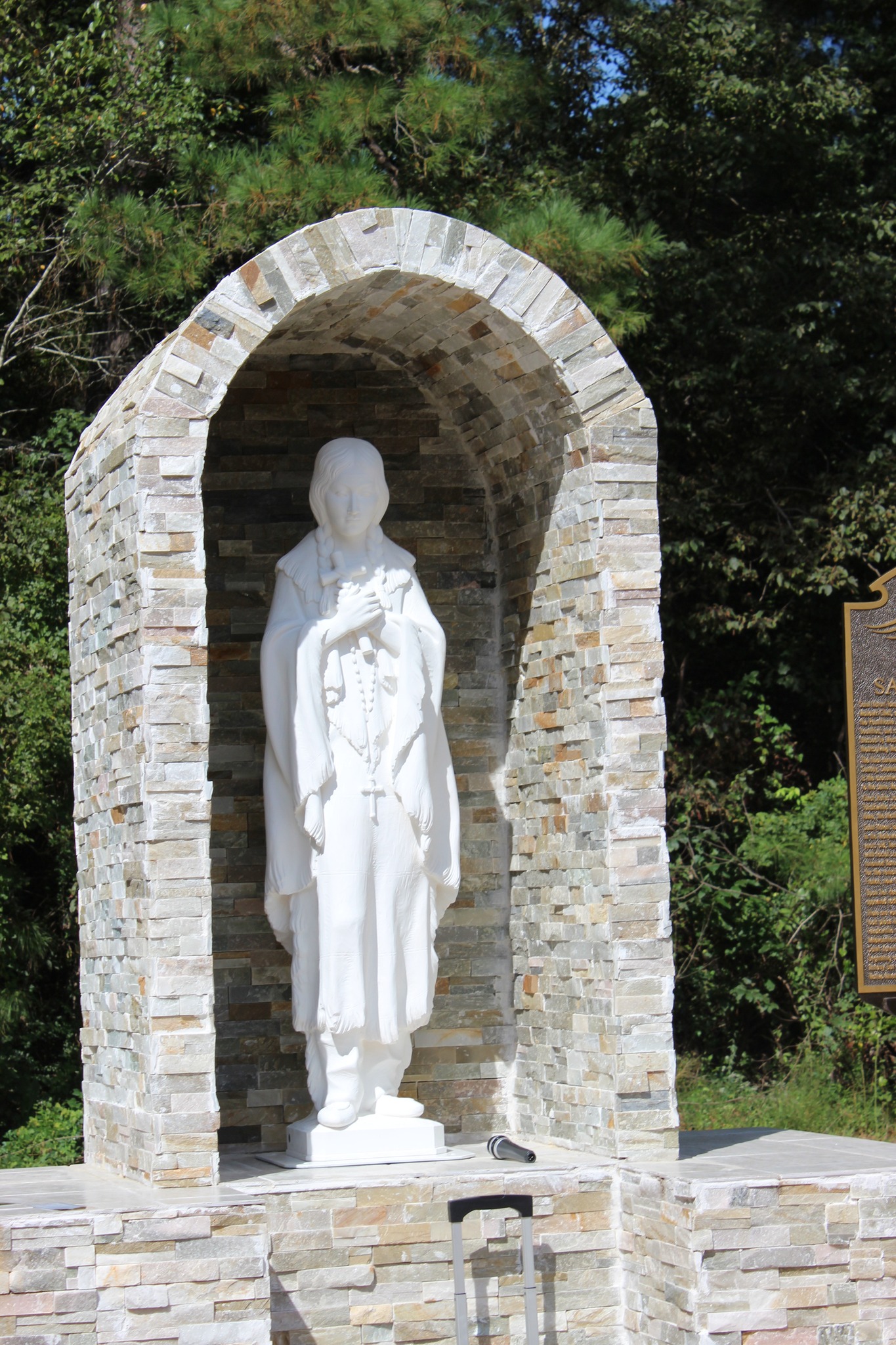
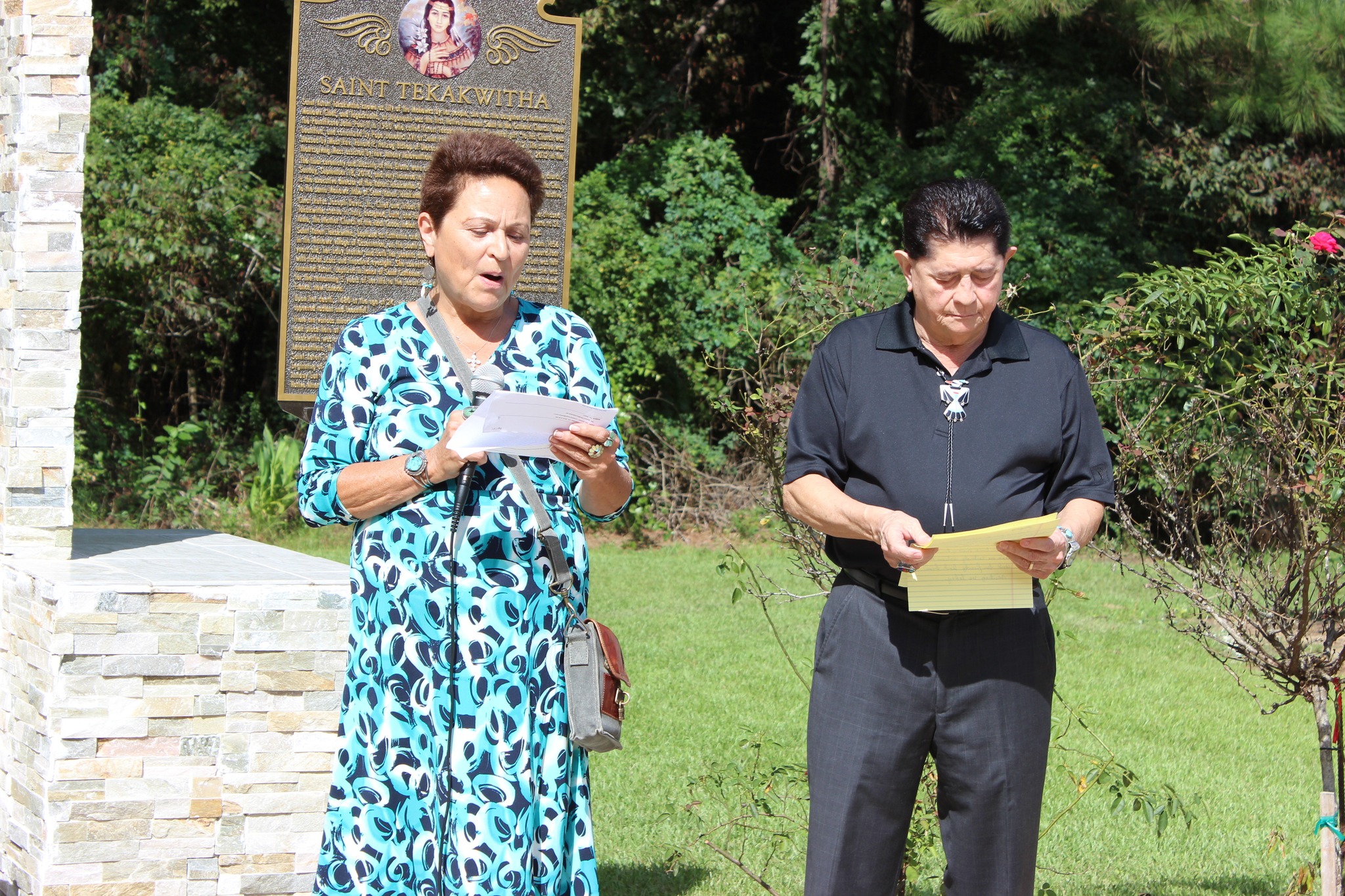
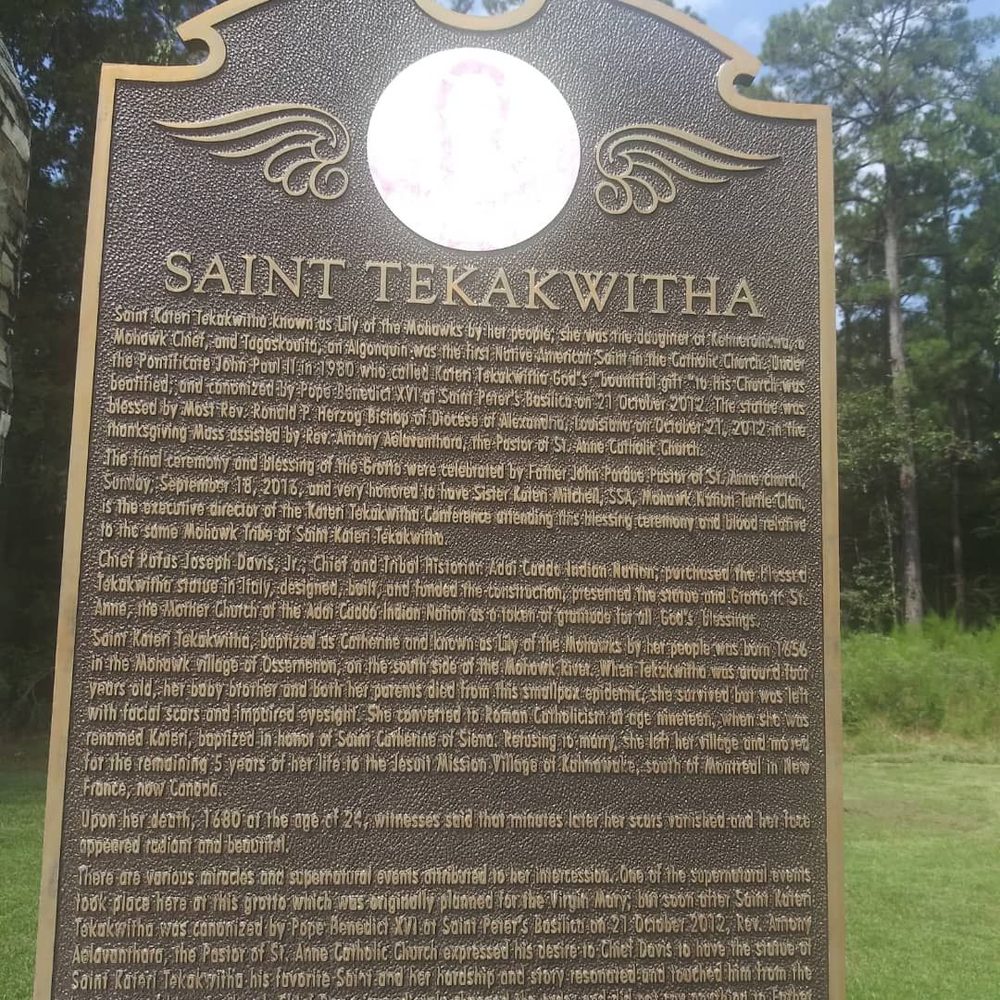
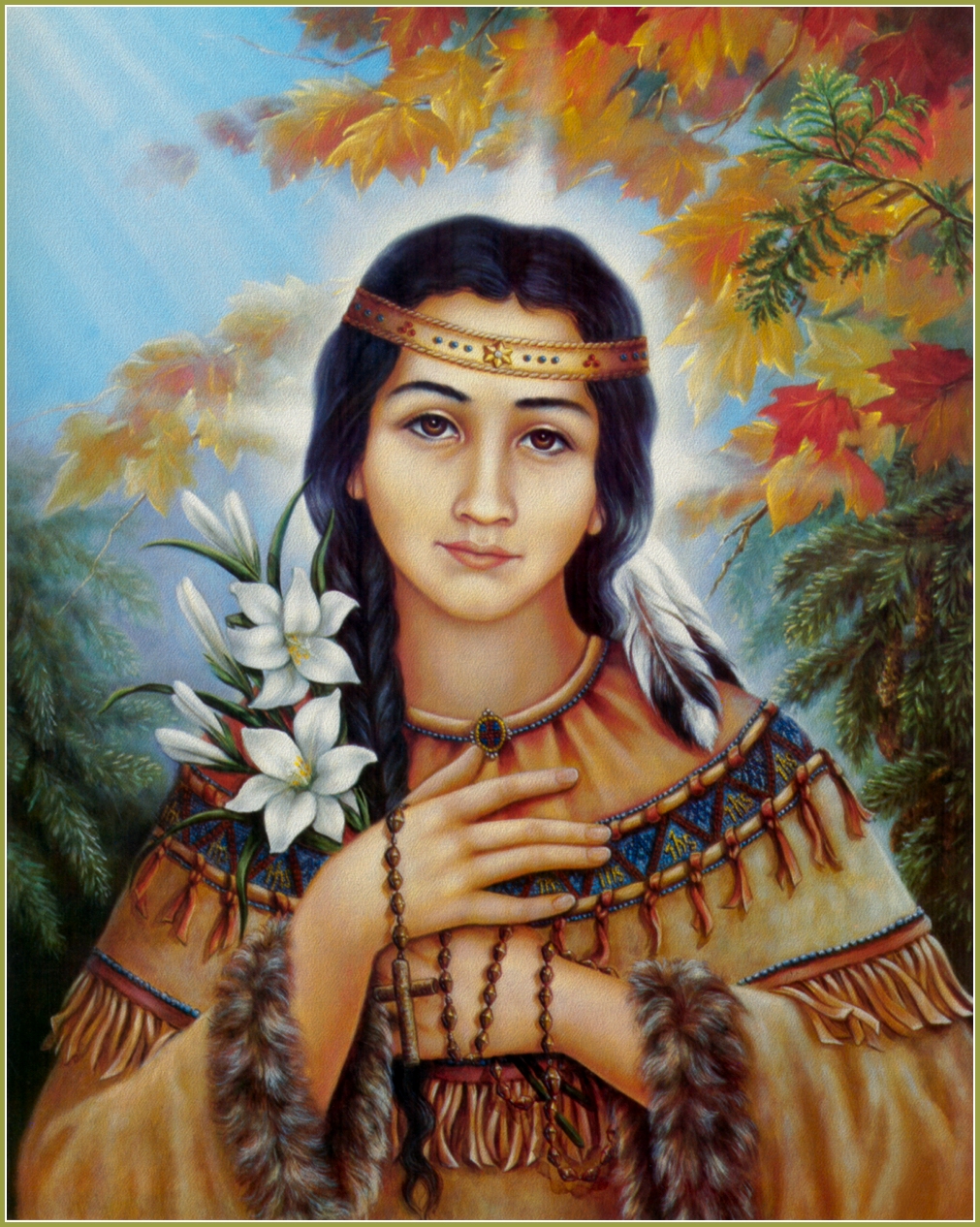
Saint Kateri Tekakwitha, also known as the “Lily of the Mohawks,” was a 17th-century Mohawk-Algonquin woman who became the first Native American to be canonized as a saint by the Catholic Church. She is venerated for her heroic faith, virtue, love of Jesus, and faithfulness to her people’s traditions. A Kateri Circle is a group of faithful Catholics, non-Catholic Christians, and/or seekers who desire to be in community with one another through a lifestyle of prayer, service, and worship. The spirituality of these communal groups springs from a strong devotion to the intercession and virtuous and holy life of Saint Kateri Tekakwitha and dedicated to the ongoing advocacy and evangelization on behalf of the many communities of Indigenous Catholics across North America. The Adai Caddo Indian Nation is a proud member of the Saint Kateri Circle of the Alexandria Diocese.
Named for the Adai Caddo
Geographic Features, Roads, Churches, and Communities in Louisiana and Texas
- Adai Caddo Cultural Center – cultural center, museum, and pow wow grounds of the Adai Caddo in Natchitoches Parish
- Adai Caddo State Designated Tribal Statistical Area – U.S. Census Bureau area in Louisiana
- Adai Trails – today known as the Contraband Trail or the El Camino Real de los Tejas, which is part of the NPS National Trail System
- Adaie Village – main village of the Adai Caddo in the 18th century located on the El Camino Real and Rio de los Adais near the bygone town of Pendleton and Pendleton Bridge (submerged by Toledo Bend Reservoir)
- Adaies Post Office – US Post Office named for the local Adai tribe located near the current Adai Caddo Cultural Center in 1844-1866
- Adois – the bygone community located NW of Robeline, LA with references in Natchitoches property deeds and state maps
- Ataho Bayou – “Adai Bayou” and today a tributary of Little River on Isle Brevelle in Natchitoches Parish
- Ataho Mound – “Adai” Indian mound near the Melrose Plantation on Isle Brevelle
- Ataho Plantation – “Adai Plantation” today known as Atahoe Plantation, located on Isle Brevelle. Originally part of Prudhomme’s Bermuda Plantation, which was divided into Oakland Plantation on the west bank and Ataho Plantation on the east bank.
- Ataho River – “Adai River” and today known as Ataho Bayou and Little River in the Isle Brevelle District
- Attoyac – “Adai” community in Nacogdoches County, Texas
- Attoyac Bayou – “Adai Bayou” formerly known as Attoyac River in Rusk and Nacogdoches Counties forming Sam Rayburn Reservoir
- Attoyac Church & Cemetery – “Adai” church and cemetery in San Augustine, Texas
- Bayou Adaise – “Bayou Adai” and today known as Dolet Bayou in DeSoto Parish, renamed after Pierre Dolet whose land grant called the waterway Bayou Adaise
- Bayou Adois – “Bayou Adai” in Natchitoches and Sabine Parish
- Indian Spring Branch – bayou between Los Adaes and Provencal, Natchitoches Parish
- La Laguna de los Adais – “Lake of the Adai” and today known as Spanish Lake, the community of Spanish Lake, and Spanish Lake Highway (LA 485) in Natchitoches Parish
- Los Adaes – “the Adai,” the first capital of Texas for approximately 50 years in Natchitoches Parish
- Los Adaes State Historic Site – “the Adai” Louisiana State Park in Natchitoches Parish
- Los Adais Road – “the Adai Road” in DeSoto Parish
- Nuestra Señora de los Dolores de los Adays – “Our Lady of Sorrows of the Adai,” the 1717 Spanish mission in East Texas (reconstructed 1721)
- Old Adai Villages – bygone villages located near Bayou Pierre in Evelyn, with references in DeSoto and Natchitoches property deeds
- Presidio Nuestra Señora del Pilar de Los Adaes – “Fort of Our Lady of Pilar at the Adai,” the first Spanish fort in Louisiana
- Rio de los Adiais / Rio de los Adais – “River of the Adai” and today known as the Sabine River forming the border between Louisiana and Texas
- San Miguel de Cuellar de los Adaes – “Saint Michael of Cuellar (Duke and Viceroy of New Spain) of the Adai,” the second Catholic mission in Louisiana
- San Miguel de Linares de los Adaes – “Saint Michael of Linares (Duke and Viceroy of New Spain) of the Adai,” the first Catholic mission in Louisiana
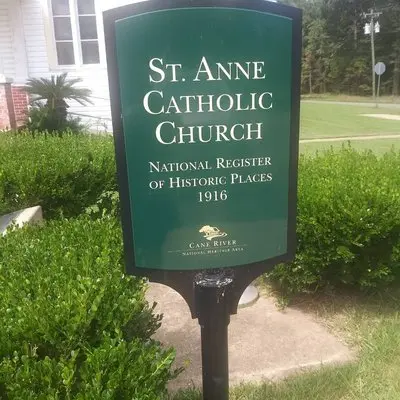
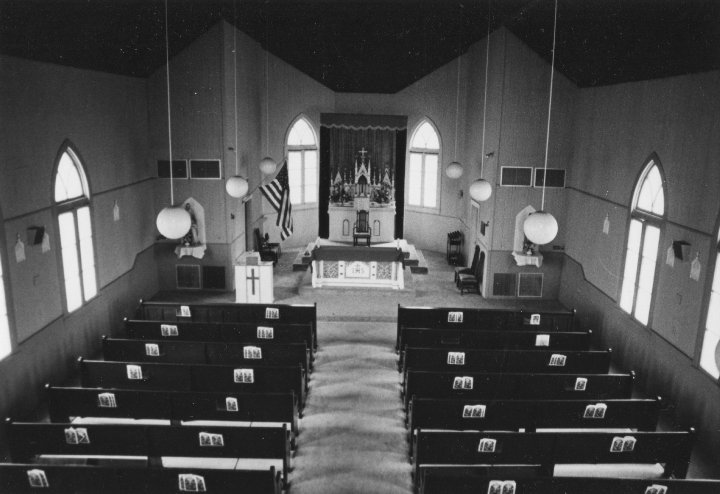
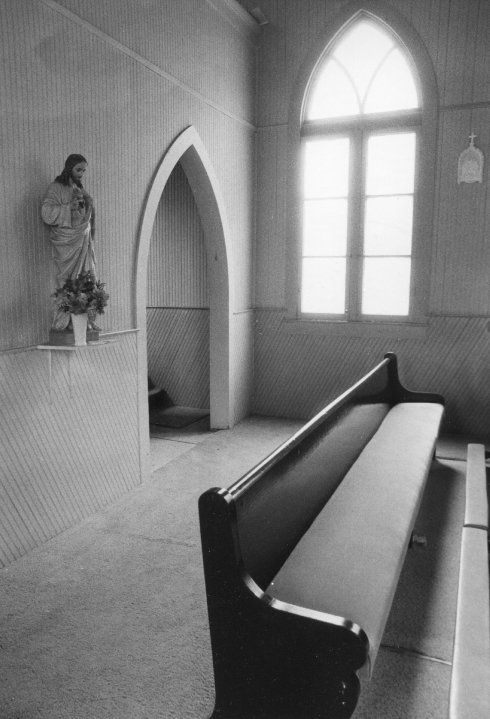
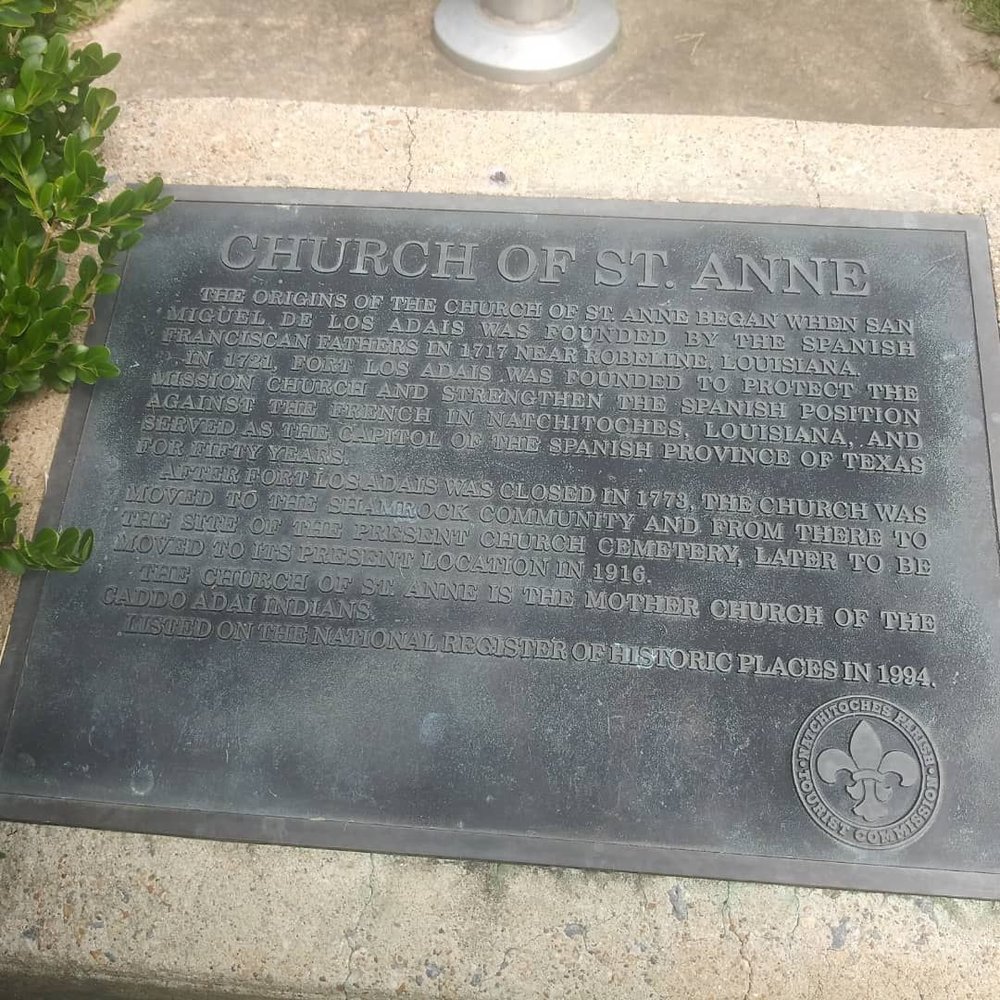
- Saint Anne Catholic Church – Dedicated as the “Mother Church of the Caddo Adai” and listed in the National Register of Historic Places in 1994 by the Natchitoches Parish Tourist Commission, Robeline
Coming Soon...Adai Caddo Villages
Locations of villages in Louisiana and Texas
Named for the Adai Caddo People
Bayous, lakes, roads, and historical landmarks named for individuals or families
- Anne des Cadeaux Bayou – a bayou south of La Laguna de los Adais in Natchitoches Parish. Named for Anne des Cadeaux Brevel.
- Blosmoore Road – named for WWI veteran Bloss Moore in Robeline, Natchitoches Parish.
- Brevelle Bayou – bayou on Isle Brevelle, Natchitoches Parish. Its main channel is at Old River and Kisatchie Bayou at Montrose. Named for Jean Baptiste Brevel II.
- Brevelle Branch – a tributary of Bayou Toro in Sabine Parish. Named for Jean Baptiste Brevel II.
- Brevelle Lake – a tributary of Shawnee Creek, which flows into the Sulphur River in Red River County, Texas. Named for the Brevel Family, who were among the first families at Le Poste des Cadodaquious, the first European settlement in northeast Texas.
- Brevelle Lane – named for the Brevelle Family in Many, Sabine Parish.
- Breville Post Office – US Post Office near Montrose and Derry on Isle Brevelle, Natchitoches Parish 1817-1825. Named for the isle’s founding family.
- Brevelle Rangers – Natchitoches Confederate cavalry unit, C Company of the Partisan Rangers (also known as Isle Brevelle Rangers and Breville Rangers) named for Jean Baptiste Brevel II.
- Brevelle Road – named for the Brevelle Family in Dry Prong, Grant Parish.
- Brevelle Station – a train station built by award-winning planter and Civil War hero, Alphonse Prud’homme. The station was near present-day Oakland Plantation (formerly Bermuda Plantation) in Natchitoches Parish. When the original Bermuda Plantation was split in the 1860s, Prud’homme’s brother named his half Oakland (site of the National Park Service). Prud’homme called his half the Atahoe Plantation, which is a name of the Adai Caddo tribe. Prud’homme won the gold medal at the 1904 World’s Fair in St. Louis for growing the highest-grade cotton in the South. Named for the isle’s founding family.
- Isle Brevelle – also known as the Birthplace of Creole Culture, is the island formed by Old River, Cane River, Bayou Derbonne, and Little River. The isle starts at Fort St. Jean Baptiste State Historic Site and goes south to Cloutierville, and it includes the Natchitoches Regional Airport, National Fish Hatchery, St. Augustine Church, Cane River Creole National Historical Park, and the communities of Natchez, Cypress, and Montrose. The historical plantations of Magnolia, Oakland, Brevelle, Oaklawn, Cherokee, Ataho, and Melrose are on the isle. Named for Jean Baptiste Brevel II.
- Isle Brevelle Church – also known as St. Augustine Catholic Church, on the banks of the Cane River on Isle Brevelle, Natchitoches Parish. The church was designed and built by the sons of the famous plantation owner Marie Thérèse “Coincoin” Metoyer. This church became a parish church and sponsored the mission church of St. Anne at La Laguna de los Adais (today known as Spanish Lake). Named for the isle’s founding family.
- Isle Breville Post Office – US Post Office located on Isle Brevelle, Natchitoches Parish 1825-1875. Named for the isle’s founding family.
- La Laguna de Mora – “Mora’s Lake” today known as Spanish Lake. Originally named La Laguna de los Adais. Named for the Mora family that held a land grant and homestead nearby.
- Morvan Road – named for WWI veteran Hosea Morvan in Robeline, Natchitoches Parish.
- Pleasant Road – named for the Pleasant Family in Robeline, Natchitoches Parish.
- Societé des amis unis de L’Ile Brevelle – community-based organization formed in 1889 in Natchitoches Parish. Named for Jean Baptiste Brevel II.
- Toby Road – named for the Toby Family in Arnaudville, St. Martin Parish.
Coming Soon...Chiefs
Centuries of Leadership
Chiefs and Vice Chiefs
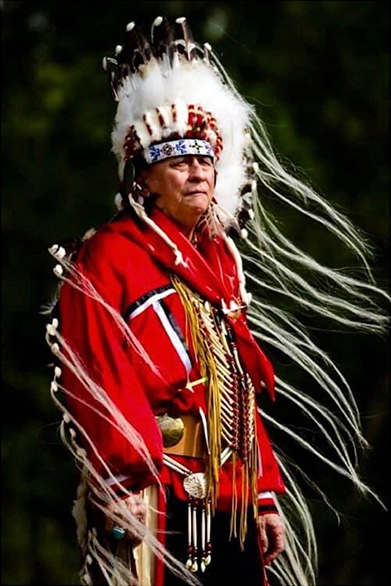
We are the Adai Caddo
We are the first peoples of Louisiana and Texas. We have resided here since time immemorial. We have always been on this land. We never left. We never sold or traded our lands. We never signed a treaty giving away our lands, our identity, or our rights. Our ancestral burial mounds and places of worship are still here and maintained by our people to this day. We still bury our people on these lands.
We are a proud tribe of the Caddo Confederacy, which once ruled over large portions of Louisiana, Texas, Arkansas, and Oklahoma.
We are among the founding fathers of Louisiana, Texas, and the United States. We took in the European immigrants. We fed them. We taught them how to hunt and fish. We protected them from other Indians. We gave them a place to live and raise a family. We intermarried and raised families together in peace.
We are protectors and patriots. We fought alongside our metis family, united against the British in the American Revolution, giving birth to a new nation. We fought alongside them again in the War of 1812, saving New Orleans. The old and the new governments recognized our chiefs and our tribe for our centuries of allegiance and bravery. We were honorable, never going back on our trade or military agreements. Our honor and sovereignty have always been intact. Even today, over 25% of the men in our tribe have served in the US Armed Forces. We have repeatedly made the ultimate sacrifice for our country.
We are a spiritual people. We have always been a people of great faith. We helped build, maintain, and protect the first Catholic missions in the state, both of which bear our name. Over the centuries, we continued to build churches and support missions in the disputed No Man’s Land and Côte Joyeuse. Today, we continue on our spiritual journey, worshiping at many of these same historic churches while taking great care of our ancestors’ tombs under the love and grace of Saint Kateri Tekakwitha and Saint Anne, our patron saint.
We are teachers. We are committed to teaching our history and our culture to our children and the world. For the first time in generations, we are openly speaking and teaching our language, publishing books and videos, and celebrating our ancient way of life.
Join us on this journey as we forge our people’s next chapter.
Recommended Reading
To learn more about the Adai Caddo... 500 Years of Published Works
- Bénard De La Harpe, Jean Baptiste. Historical journal of the establishment of the French in Louisiana. 1851.
- Bolton, Herbert Eugene. Texas in the Middle Eighteenth Century: Studies in Spanish Colonial History and Administration. University of California Press. 1915.
- Bossu, Jean-Bernard. Travels through that part of North America formerly called Louisiana. 1771.
- Dary, David. Stories of Old-Time Oklahoma. University of Oklahoma Press. 2015.
- Dunn, Milton. “History of Natchitoches.” The Louisiana Historical Quarterly, vol. 3. 1920.
- Gatschet, Albert S. A Migration Legend of the Creek Indians: With a Linguistic, Historic, and Ethnographic Introduction. vol. 1. 1884.
- Glover, William B. “A history of the Caddo Indians.” The Louisiana Historical Quarterly, vol. 18, no. 4. 1935.
- Hodge, Frederick Webb. Handbook of American Indians North of Mexico. 2 vols. Bureau of American Ethnology Bulletin. 1907 and 1910.
- John, Elizabeth A. H. Storms Brewed in Other Men’s Worlds: The Confrontation of Indians, Spanish, and French in the Southwest, 1540-1795. University of Oklahoma Press. 1975.
- Kinnaird, Lawrence. “The Red River Valley in 1796.” The Journal of the Louisiana Historical Association. 1983.
- Kinnaird, Lawrence. “Spain In the Mississippi Valley, 1765-1794.” Annual Report of the American Historical Association. 1945.
- Klier, Betje Black, Pavie in the Borderlands: The Journey of Theodore Pavie to Louisiana and Texas in 1829-1830. Louisiana State University Press. 2000.
- Kniffen, Fred B., Hiram F. Gregory, and George A. Stokes. The Historic Indian Tribes of Louisiana: From 1542 to the Present. Louisiana State University Press. 1987.
- Leeper, Clare D’Artois. Louisiana Place Names. Louisiana State University Press. 2012.
- Mills, Gary B. and Elizabeth Shown Mills. Tales of Old Natchitoches. 1978
- Nardini, Louis Raphael. My Historic Natchitoches, Louisiana and Its Environment: A History of Natchitoches, Louisiana and the Neutral Strip of Area of the State of Louisiana and Its Inhabitants. 1963.
- Nardini, Louis Raphael. No Man’s Land: A History of the El Camino Real. 1961.
- Núñez Cabeza de Vaca, Alvar. The Journey of Alvar Nuñez Cabeza de Vaca and His Companions from Florida to the Pacific, 1528-1536. Translated by Fanny Bandelier. 1905.
- Pagès, Pierre-Marie-François de. Travels Round the World, in the Years 1767, 1768, 1769, 1770, 1771. 1791.
- Powell, John Wesley. Indian Linguistic Families of America, North of Mexico. 1891.
- Read, William A. Louisiana Place Names of Indian Origin: A Collection of Words. Louisiana State University Press. 1927.
- Sibley, John. A Report from Natchitoches in 1807. Museum of the American Indian. 1922.
- Smith, F. Todd. Dominance to Disappearance: The Indians of Texas and the Near Southwest, 1786–1859. University of Nebraska Press. 2005.
- Swanton, John R.. Indian Tribes of the Lower Mississippi Valley and Adjacent Coast of the Gulf of Mexico. Bureau of American Ethnology Bulletin 43. 1911.
- Swanton, John R. Source Material on the History and Ethnology of the Caddo Indians. Bureau of American Ethnology, Smithsonian Institution, 1942.
- Webb, Clarence H. The Belcher Mound: A Stratified Caddoan Site in Caddo Parish, Louisiana. Memoir No. 16. Society for American Archaeology. 1959.
- Webb, Clarence H., and Hiram F. Gregory. The Caddo Indians of Louisiana. Louisiana Department of Culture, Recreation, and Tourism, 1990.
- Wooten, Dudley G., ed. A Comprehensive History of Texas 1685–1897. 2 vols. 1898.
Southward from Natchitoches, between the Red and one of its branches that the French called Little River [Cane River], there stretched a fertile and uninhabited island. This island, known today as Isle Brevelle, is not an island in the sense that the word is used today. Baptiste [Brevelle] petitioned for and received, a concession of land along the isle, and he moved his young family to a choice spot in its interior.