
Heroes

Chief John Mark Davis
Epigraph from The Savage’s Creed: Chronicles of the Adai Caddo Warriors, 2025
Our Heroes Serve
Centuries of patriotism
- The Adai Caddo are the oldest and longest serving ally of the Louisiana colony.
- In the 1500s, unlike many other tribes, the Adai Caddo did not attack, enslave, or flee from Cabeza de Vaca (the first European explorer of present-day United States) or the De Soto expedition.
- During the 1600s, as the first French explorers traversed La Louisiane, the strategically located Adai Caddo established trade relations. Trade grew with the founding of Natchitoches in 1714, the first European settlement in Louisiana.
- In 1716, the Adai Caddo requested that the Spanish expedition build a Catholic mission among them. The first mission in Louisiana is built and named for the Adai Caddo (San Miguel de Linares de los Adaes).
- In 1720, 53 Adai Caddo Warriors rescued and nursed back to health the famous explorer Jean-Baptiste Bénard de la Harpe (founder of the first European settlement in North Texas).
- In 1721, the Chief of the Adai Caddo along with over 400 of his people meet with Spanish Governor Marqués de Aguayo during the construction of the presidio, which would become the first capital of Texas and named for the Adai Caddo (Los Adaes).
- In 1731, the Adai Caddo fought alongside the Natchitoches and Los Adaes colonists against the invading Natchez Indians.
- As part of the 1763 Treaty of Paris ending the Seven Years' War (known in the Americas as the French and Indian War), the British, Spanish, Portuguese, French, and their Indian allies redrew the colonial boundaries in the New World. The Adai Caddo are the only Indians shown in the treaty map in the region today known as Sabine, DeSoto, Vernon, Beauregard, and Natchitoches Parishes.
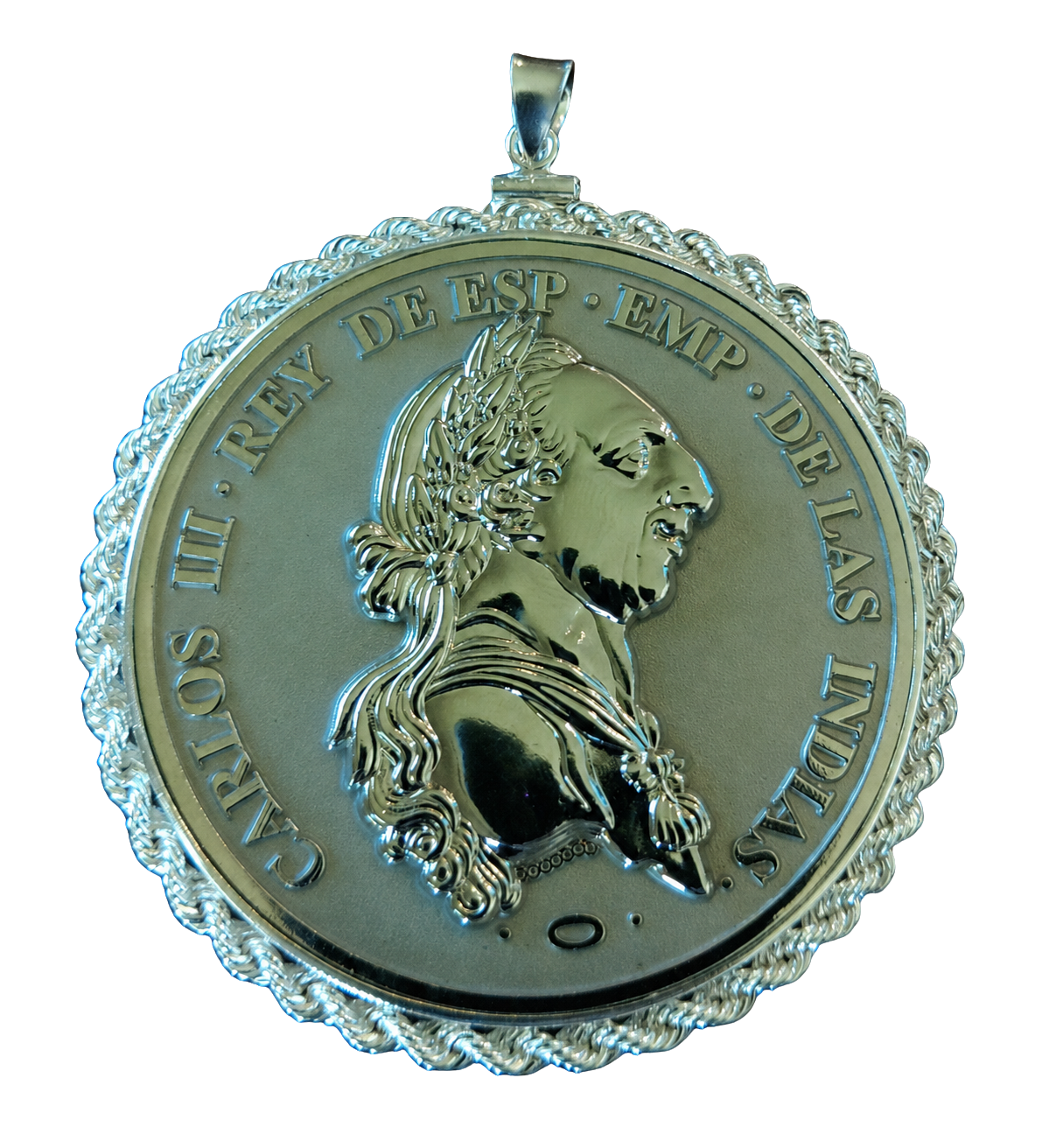
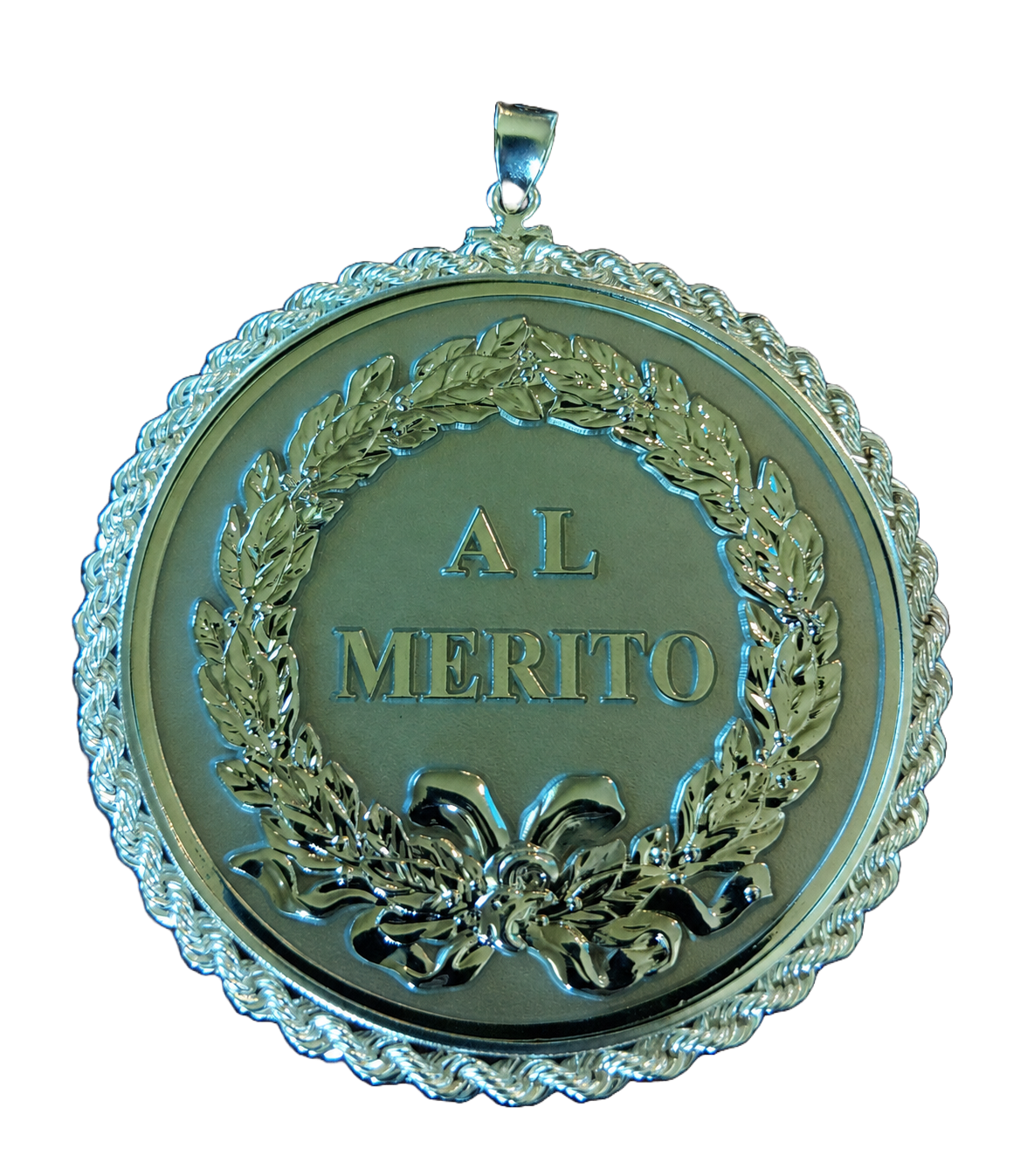
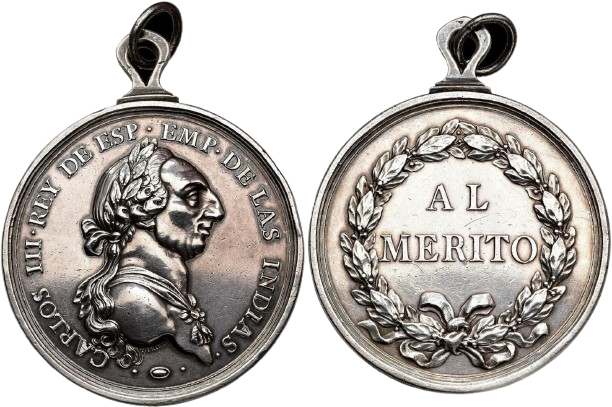
- In 1770, Chief Quemsy is given the Al Merito Medal by the Commandant of Natchitoches on behalf of King Carlos III. Spain recognized Chief Quemsy as the head chief of their staunch ally, the Adai Caddo Indian Nation.
- 1779-1781, the Adai Caddo fought in the successful Galvez Expedition of the American Revolution, which led to the creation of the United States.
- In the 1780 census, the Adai Caddo are listed as 1 of the 8 Indian Nation allies to the colony.
- For the remainder of the 18th century, the Adai Caddo and their Caddo brethren were engaged in battles with the Choctaw Indians. The Americans and other Indians had pushed the Choctaw from their native lands on the East Coast, causing the Choctaw to cross into the lands of the Caddo Confederacy.
- In 1815, the Adai Caddo fought and helped save New Orleans in the War of 1812.
- Throughout the 20th century, Adai Caddo served abroad, fighting to repeatedly liberate their old colonial allies, the Spanish and the French. Recognized for their bravery in combat, the Adai Caddo warriors received combat infantryman badges, distinguished service medals, bronze stars, purple hearts, other U.S. awards, as well as foreign medals for valor.
- The Adai Caddo have served in all branches of the U.S. Armed Forces and fought in the American Revolution and every war since. The tribe has an astonishing military record. Of its current members, 25% of the men have previously or are currently serving in the military. The national average is 6%.
Bravery, Honor, Valor
Museums and memorials
Adai Caddo warriors are honored across the world for their bravery, honor, and valor. Listed below are just a few museums and memorials where you will find the names of these heroes inscribed in stone, brick, or bronze.
- National Museum of the U.S. Army
- Jackson Barracks Military Museum of the Louisiana Militia and National Guard
- Texas Military Forces Museum
- Jajaeam Temple
- Fort Belvoir Path of Remembrance Memorial
- Avoyelles Parish Veteran's Memorial
- Natchitoches Parish Veteran's Memorial
- McLendon-Chisholm Veteran's Memorial
- Golden Triangle Veterans Memorial Park
- Vietnam Veterans Memorial
In Loving Memory
Laid to rest
Many of our Adai Caddo warriors are interred at military cemeteries next to their brothers and sisters in arms.
- Arlington National Cemetery
- St- Mihiel American Cemetery
- Lorraine American Cemetery
- Louisiana National Cemetery
- Alexandria National Cemetery
- Port Hudson National Cemetery
- Baton Rouge National Cemetery
- Northwest Louisiana Veterans Cemetery
- Central Louisiana Veterans Cemetery
- Dallas-Fort Worth National Cemetery
- Houston National Cemetery
- San Antonio National Cemetery
- Fort Bliss National Cemetery
Tomb of the Unknown Soldier
A grateful nation
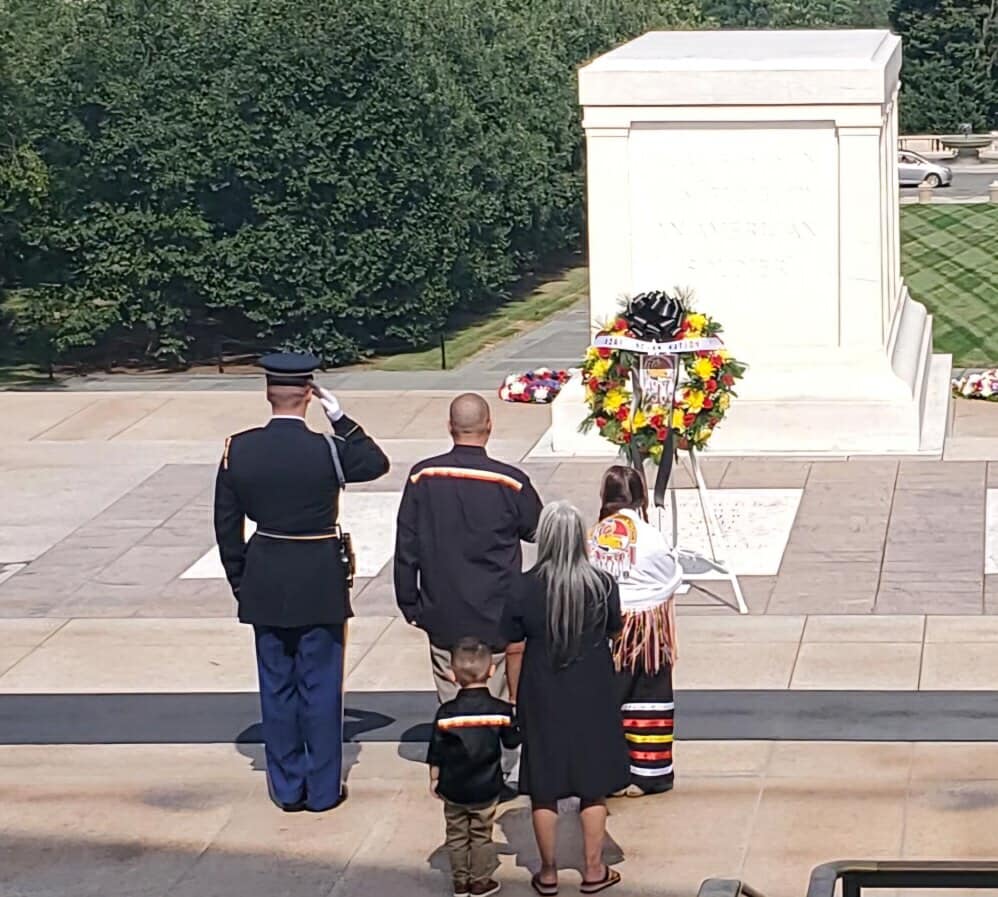
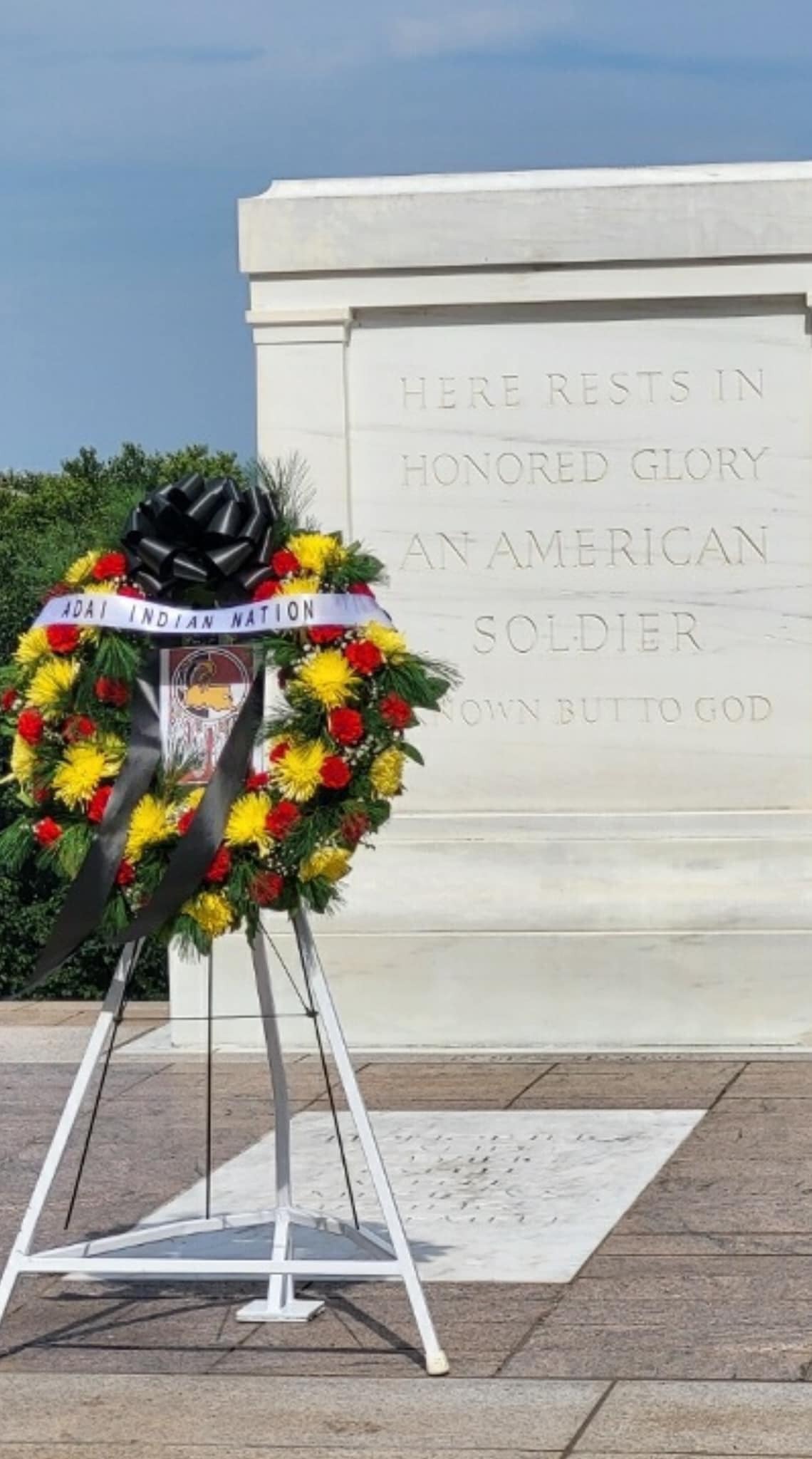
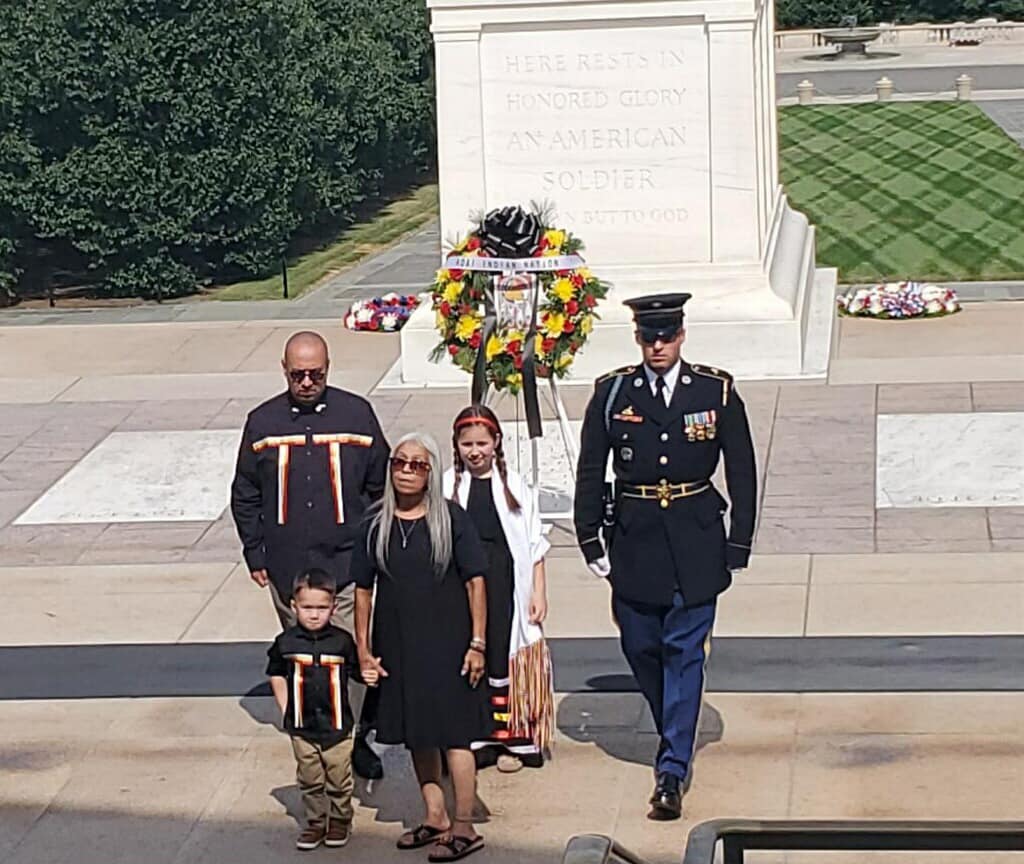
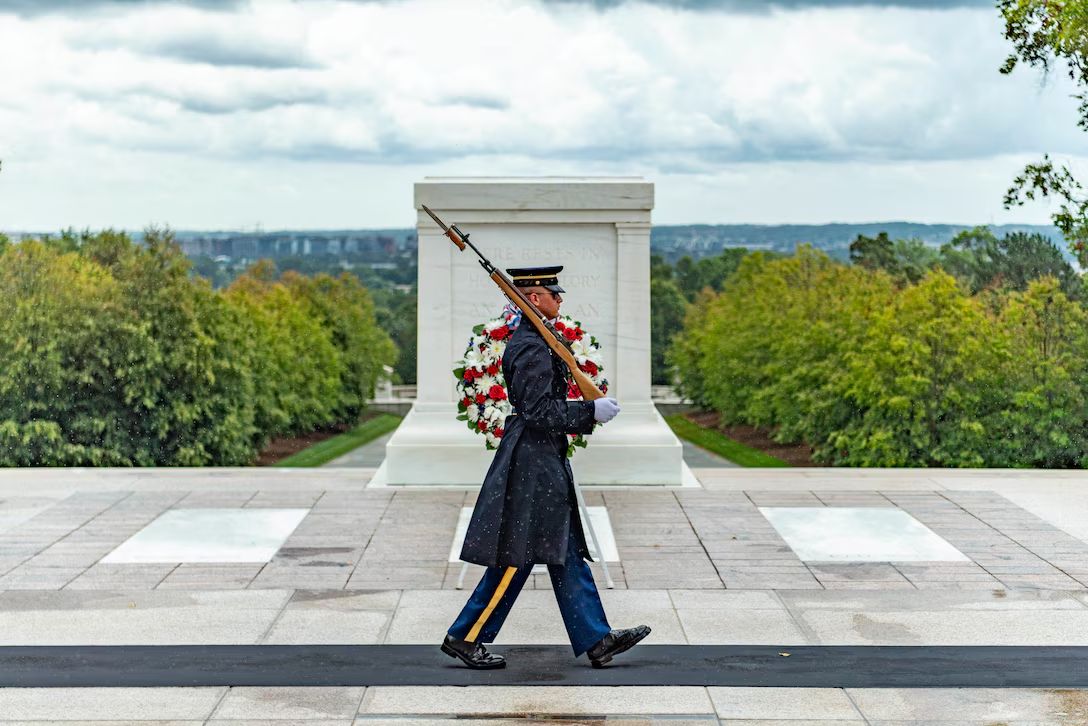
For those who died and their names or bodies have been lost to time, the Adai Caddo Indian Nation laid a wreath in their honor at the Tomb of the Unknown Soldier during an official ceremony in 2024.
King Carlos III "AL MÉRITO" Medal
For Merit
During the 1760s and 1770s, King Carlos III of Spain had silver medals struck for presentation to the chiefs of allied Indian nations in New Spain. Bearing the king’s portrait on the obverse and the inscription “AL MÉRITO” (“For Merit”) on the reverse, the medals were designed to be worn suspended from the chest, typically from a red silk ribbon.
In the Spanish colony of Louisiana, governors, lieutenant governors, and other royal officials presented these medals on behalf of the King to Indian chiefs during formal ceremonies symbolizing the alliance between the Spanish Crown and their respective nations. Such occasions were witnessed by tribal members and often attended by Spanish officials, soldiers, and priests. Speeches, prayers, dancing, and the ceremonial smoking of the calumet accompanied these diplomatic gatherings, publicly affirming the relationship between the two nations.
Spain recognized Chief Quemsy as the chief of its Adai Caddo ally and presented him with the Al Mérito medal as a symbol of his authority and the alliance between the Adai Caddo Nation and the Spanish Crown. That allegiance was soon tested during the American Revolution.
When Spain declared war on Great Britain in 1779, Louisiana Governor Bernardo de Gálvez rallied a diverse force of Spanish soldiers, Louisiana militiamen, American volunteers, and Indian allies, including Adai Caddo warriors, against British strongholds along the Mississippi River and Gulf Coast. Gálvez and his forces captured Manchac, Baton Rouge, Natchez, Mobile, and, after a celebrated siege, Pensacola. These victories deprived Great Britain of its principal strongholds on the lower Mississippi and northern Gulf Coast, secured Spanish Louisiana, and materially aided the American cause. No other General or Army was more successful during the American Revolution than the one that marched from Louisiana.
In recognition of Spain’s contribution to American independence, Gálvez rode alongside George Washington in the grand procession celebrating the new nation in 1783.
Chief Quemsy’s original Al Mérito medal has survived for more than two centuries. Recognizing its extraordinary historical and cultural significance, the medal has been preserved as one of the Nation’s most treasured artifacts.
The legacy of the King’s medal remains part of the Nation’s leadership tradition. At the installation of each newly elected Chief of the Adai Caddo Indian Nation, a reproduction of the historic medal is presented to the Chief in a ceremony that preserves elements of the eighteenth-century tradition.
Today, the Adai Caddo Indian Nation is the only Indian Nation in western and northern Louisiana to have received the King of Spain’s Al Mérito medal—a tangible symbol of a centuries-old alliance, an allegiance honored and paid in full with the blood of Adai Caddo warriors.
Dr. John Sibley
Report to Secretary of War General H. Dearborn, 1805
Veterans Display at the Adai Caddo Cultural Center
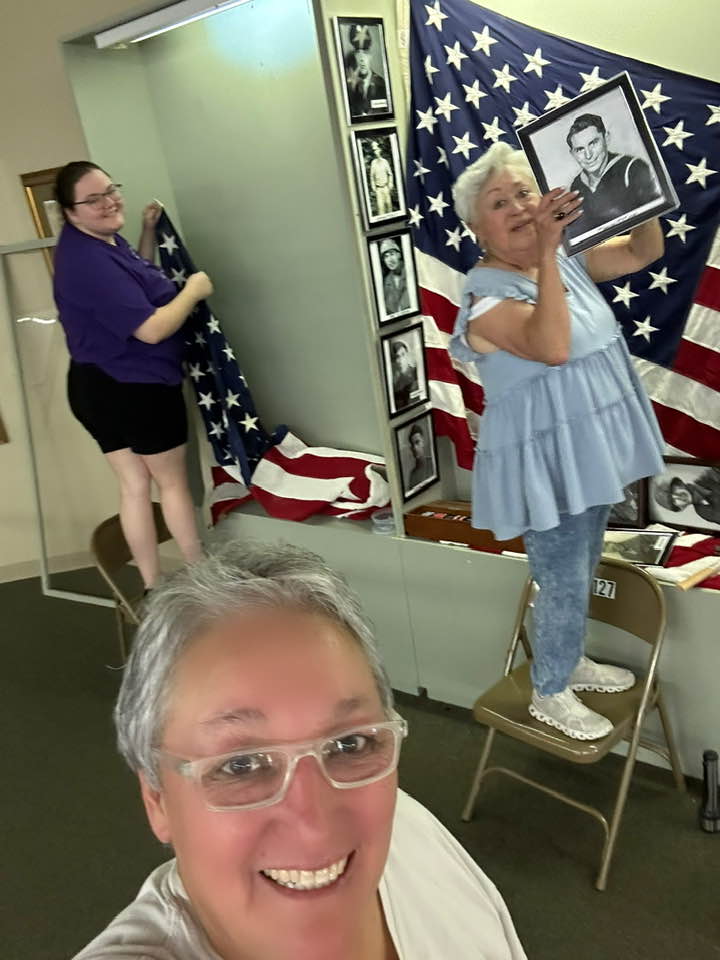

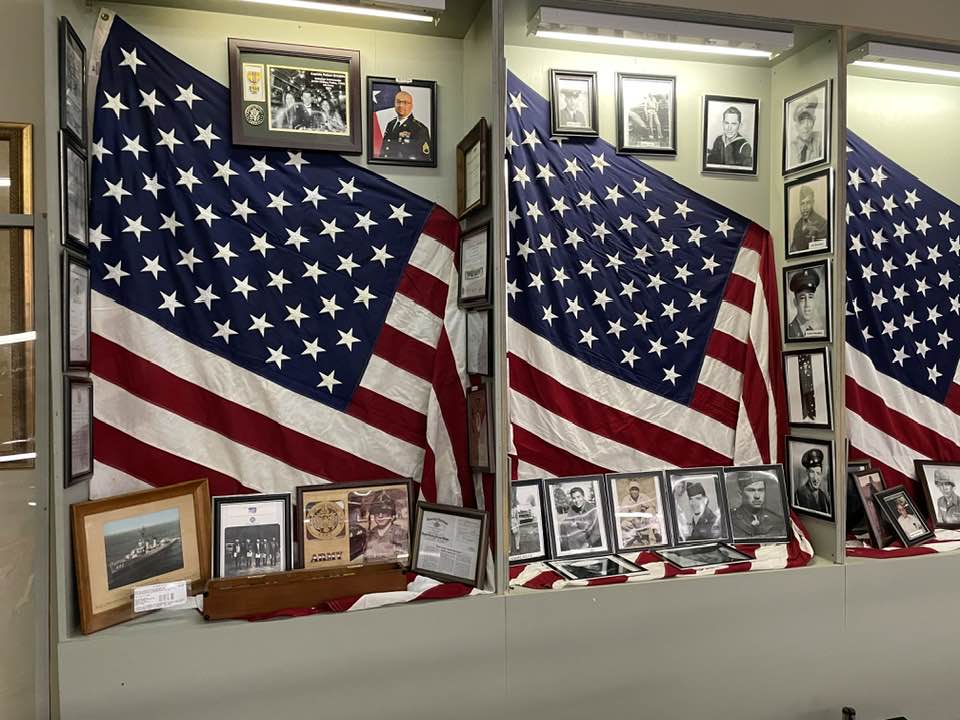


Virtually all of these men served with the U.S. military. Five were veterans of World War I, and one of those five also served in World War II.